
Living with diabetes requires extra care in many aspects of health, but one area that often gets overlooked is footwear. Diabetic patients are more prone to foot problems such as neuropathy (nerve damage), poor circulation, ulcers, and infections, which can sometimes even lead to amputations if not managed on time.
The good news? The right footwear and customized diabetic insoles can prevent most of these complications. Unfortunately, many patients make mistakes while choosing or using their shoes, unknowingly putting their foot health at risk.
In this article, we will explore the top footwear mistakes diabetic patients make and provide practical solutions to keep your feet safe, healthy, and comfortable.
One of the most common mistakes is prioritizing style over function. Pointed shoes, high heels, or narrow footwear can increase pressure points, restrict blood circulation, and lead to blisters or calluses.
Solution: Always choose diabetic-friendly shoes with wide toe boxes, soft materials, and adequate cushioning. Comfort and protection should always come before fashion.
Ill-fitting shoes are dangerous for diabetic patients. Shoes that are too tight cause friction and pressure, while oversized shoes can create instability, leading to falls or injuries.
Solution: Get your feet measured regularly, especially if you have swelling or neuropathy. A proper fit with room for your toes to move is essential.
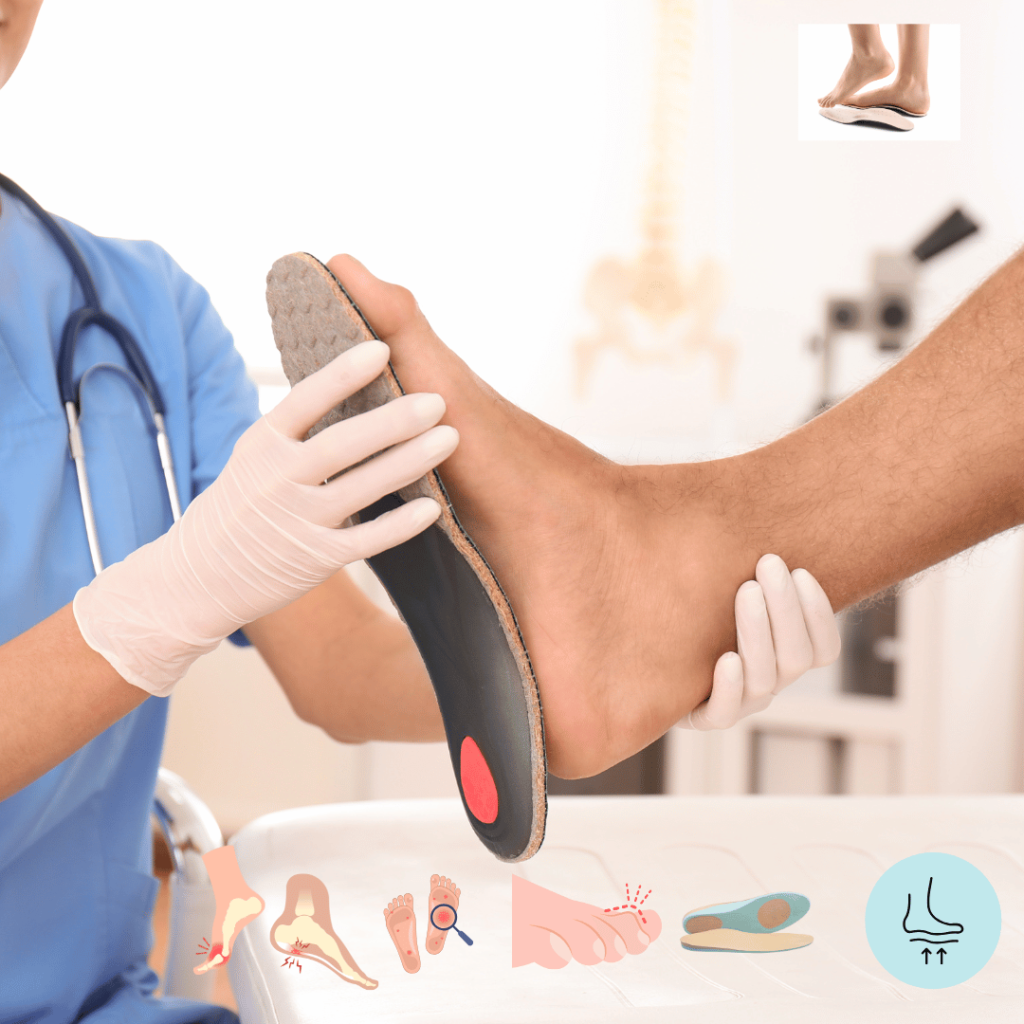
Many diabetic patients rely on generic insoles or skip them altogether. However, customized diabetic insoles are designed to relieve pressure, improve balance, and prevent ulcers.
Solution: Invest in custom-made insoles tailored to your foot structure. They can significantly reduce the risk of wounds, especially if you walk or stand for long hours.
Walking barefoot might feel relaxing, but for diabetics, it’s a risky habit. Without protective footwear, even a small cut or injury can go unnoticed due to reduced sensation (neuropathy), leading to infections.
Solution: Always wear protective footwear or insole slippers indoors and appropriate shoes outdoors.
Small objects like pebbles, sharp edges, or torn linings inside shoes can cause unnoticed injuries in diabetic feet.
Solution: Make it a habit to check inside your shoes daily before wearing them. A quick inspection can save you from serious complications.
Old or worn-out shoes lose their support and cushioning, increasing the risk of pressure sores and imbalance.
Solution: Replace your shoes regularly, especially if you see signs of wear, thinning soles, or loose stitching.
Shoes made from hard or synthetic materials trap heat and moisture, creating a breeding ground for fungal infections. Similarly, tight or non-breathable socks worsen circulation.
Solution: Opt for shoes made of soft leather or breathable fabric, and pair them with seamless, moisture-wicking socks.
Even with the best footwear, diabetic patients must undergo routine foot check-ups with a healthcare professional to prevent hidden complications.
Solution: Schedule foot examinations at least once every 6 months, or more frequently if you have neuropathy or a history of ulcers.
Your feet carry you through life, and for diabetic patients, they need extra care and protection. By avoiding these common footwear mistakes and choosing the right diabetic shoes and customized insoles, you can prevent complications, improve mobility, and maintain a better quality of life.
At Griffin Healthcare, we specialize in diabetic foot care solutions, customized insoles, and protective footwear designed to keep your feet safe, comfortable, and healthy.
✅ Protect your feet before problems start.




.png)

Explore patient stories, rehab solutions, & mobility updates @griffin_healthcare
Follow @griffin_healthcare