
Understanding Diabetes and Foot Problems
Diabetes is a condition that affects the way your body uses sugar, and over time, it can also affect your feet. Many people don’t realize that diabetes can lead to serious foot problems if proper care is not taken. High blood sugar can damage the nerves in your feet (diabetic neuropathy) in long times, making it hard to feel pain or small injuries. It also reduces blood circulation, meaning wounds heal more slowly. This combination makes diabetic feet more prone to cuts, blisters, infections, and even ulcers that can become severe if ignored. That’s why diabetes foot care and choosing the right footwear are very important for anyone living with diabetes.
Why Proper Footwear Matters for Diabetics
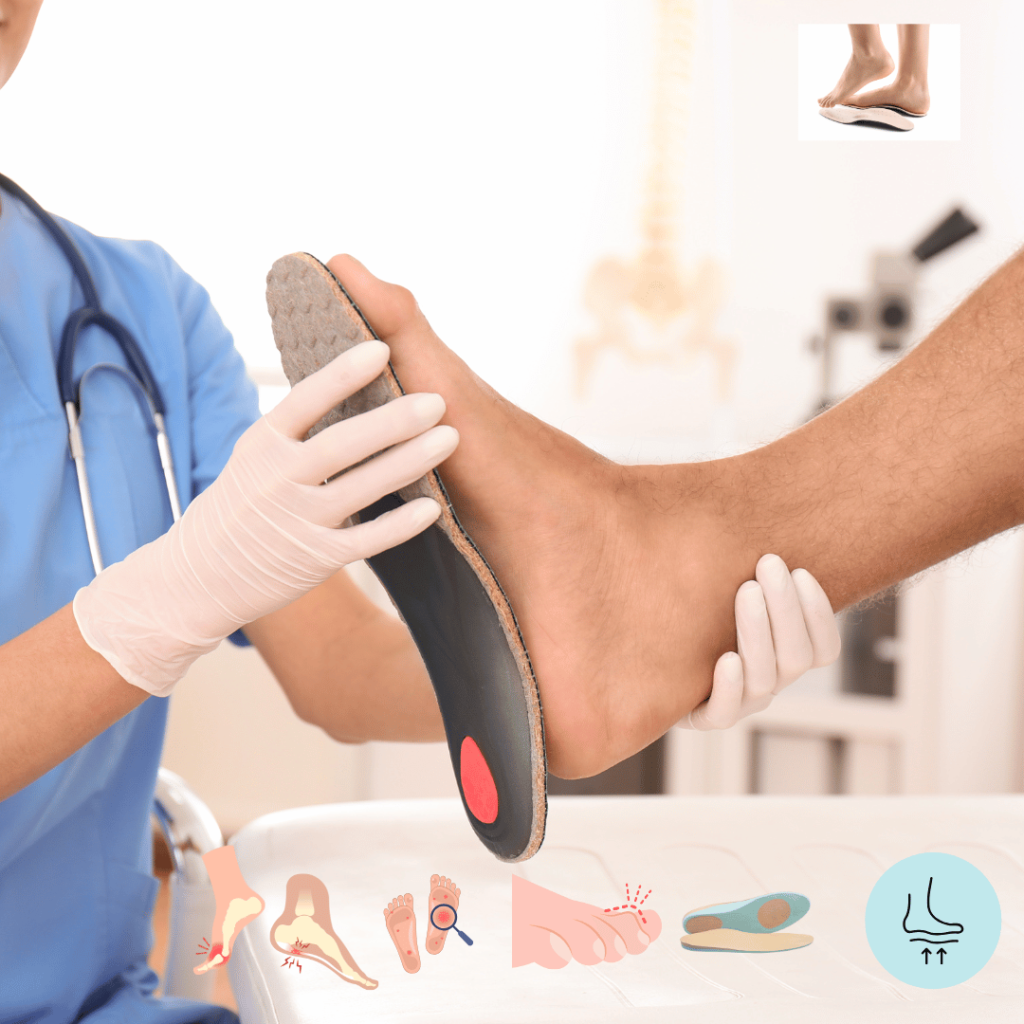
When you have diabetes, wearing the right footwear is not just about comfort – it is about safety and protection. Regular shoes might be too tight or rough inside, causing friction and pressure on sensitive feet. Over time, this can lead to blisters or sores that you may not even notice due to reduced sensation. Special diabetic footwear and custom insoles are designed to reduce pressure points, protect your feet from injuries, and make walking safer and more comfortable.
Features of the Best Diabetic Footwear
The best diabetic shoes are soft, lightweight, and breathable, allowing your feet to stay dry and healthy. They have a wide toe area to avoid squeezing your toes and seamless interiors to prevent rubbing or irritation. The soles are cushioned to absorb shock while walking, giving extra support and balance. Many diabetic patients benefit from custom-made insoles that are specially designed to match their foot shape, helping distribute pressure evenly and preventing ulcers or calluses.
Daily Foot Care Tips for Diabetics
Daily foot care is as much important as good footwear. Always check your feet for small cuts, redness, swelling, or blisters. Wash your feet gently with lukewarm water, dry them carefully, and apply a moisturizer to keep the skin soft (but avoid putting cream between your toes). Trim your toenails carefully, or ask a professional for help. Never walk barefoot, even at home, because stepping on something sharp can cause injuries that may not heal quickly. Regular visits to a podiatrist or foot care specialist can help detect problems early and keep your feet healthy.
When to Choose Custom Diabetic Footwear
If you already have foot deformities, wounds, or a history of ulcers, talk to your doctor about custom diabetic shoes and orthotic insoles. These are made specifically for your feet and provide the highest level of protection. They can improve your comfort, mobility, and overall quality of life.
Conclusion
Taking care of your feet when you have diabetes is not optional – it is a crucial part of your health. By wearing proper diabetic footwear, using protective insoles, and following simple daily foot care tips, you can prevent serious complications and keep your feet safe and healthy for life. Remember, healthy feet mean a super active, full of confidence and happy you.




.png)

Explore patient stories, rehab solutions, & mobility updates @griffin_healthcare
Follow @griffin_healthcare