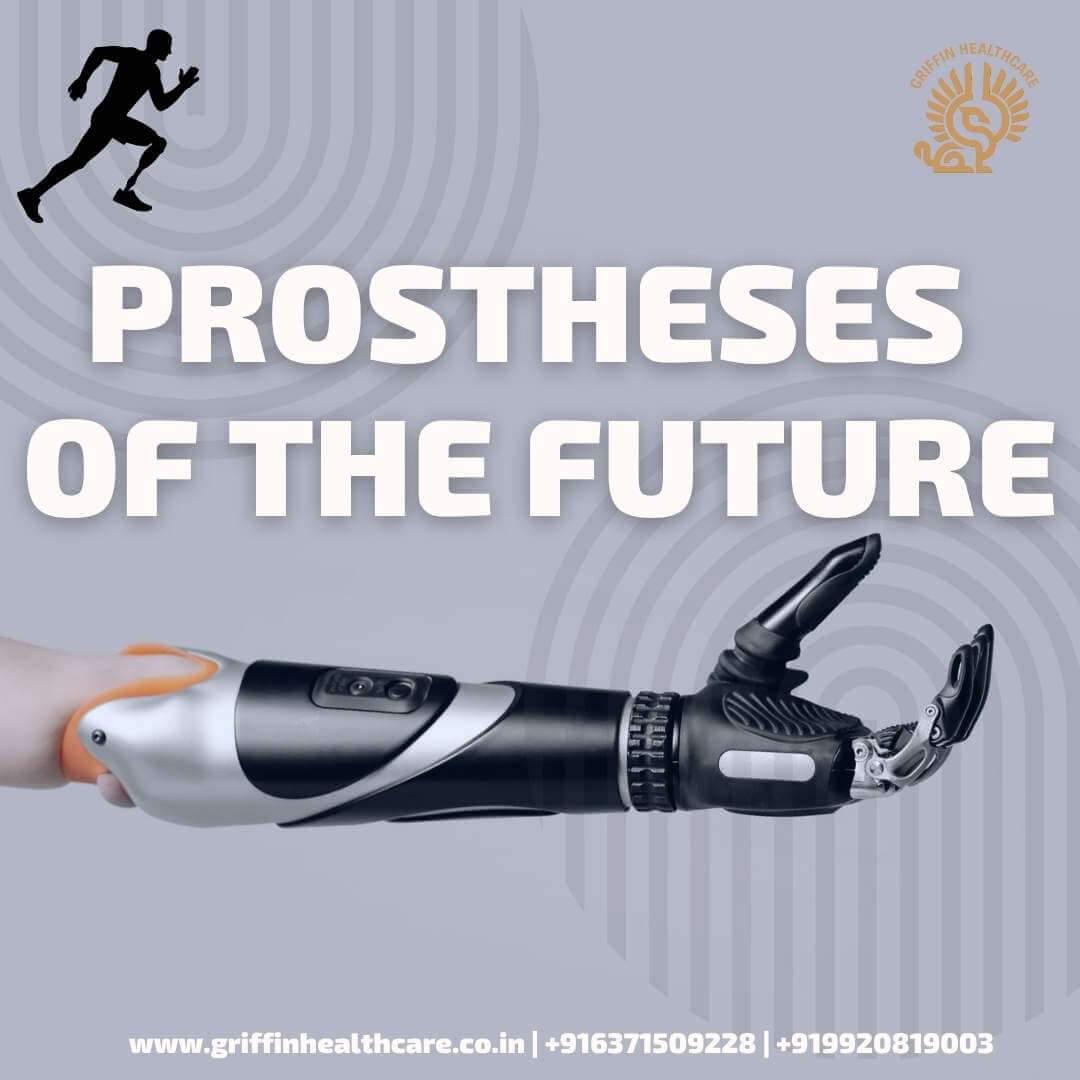

Imagine gripping a warm mug or lacing up your shoes—not with a biological hand, but with a prosthetic that responds to your thoughts and allows you to feel sensations. This isn’t a futuristic fantasy anymore—it’s becoming an everyday experience for many.
Modern prosthetic limbs are no longer simple tools for mobility. Today’s designs are intelligent, sensory-capable, and eerily lifelike. With remarkable progress in robotics, neuroscience, and biomechanical engineering, prosthetics now restore far more than motion—they offer users confidence, control, and a deeper connection to their own bodies.
Let’s explore how advanced prosthetic technology is blurring the line between artificial and natural limbs.
One of the most exciting breakthroughs in this space is the ability to operate a prosthetic limb using the brain. These neuro-integrated systems tap directly into nerve signals or muscle activity, translating them into real-time movements.
Using implanted electrodes or external muscle sensors, the device picks up bioelectrical cues from the user’s body. The outcome? Users can perform complex movements—like grasping, lifting, or pointing—just by thinking about them, with no mechanical input required.
In addition to movement, engineers have made it possible for users to experience tactile feedback through their prosthetic limbs.
Here’s how sensation is recreated:
Specialized sensors placed in the prosthetic detect different stimuli—such as pressure, texture, or temperature.
These signals are rerouted through systems like targeted sensory reinnervation, connecting the data to the user’s nervous system.
The result is a limb that doesn’t just move like a human hand—it feels like one. This opens up life-changing possibilities for users, such as distinguishing between soft and rough surfaces or detecting warmth and cold.
Today’s prosthetics aren’t bulky or rigid like in the past. Engineers now craft them using modern materials that mimic the flexibility and strength of real limbs.
Some key materials used:
Carbon fiber and titanium for lightweight durability
Soft actuators and artificial muscles for more organic motion
These updates ensure the prosthetics are not only functional but also comfortable for long-term daily use.
AI has made its way into prosthetic design in powerful ways. Many devices now come equipped with microprocessors and learning algorithms that adapt to the user’s habits and environment.
Capabilities include:
Recognizing and adjusting to changes in terrain
Matching walking speed automatically
Learning motion preferences for personalized gait
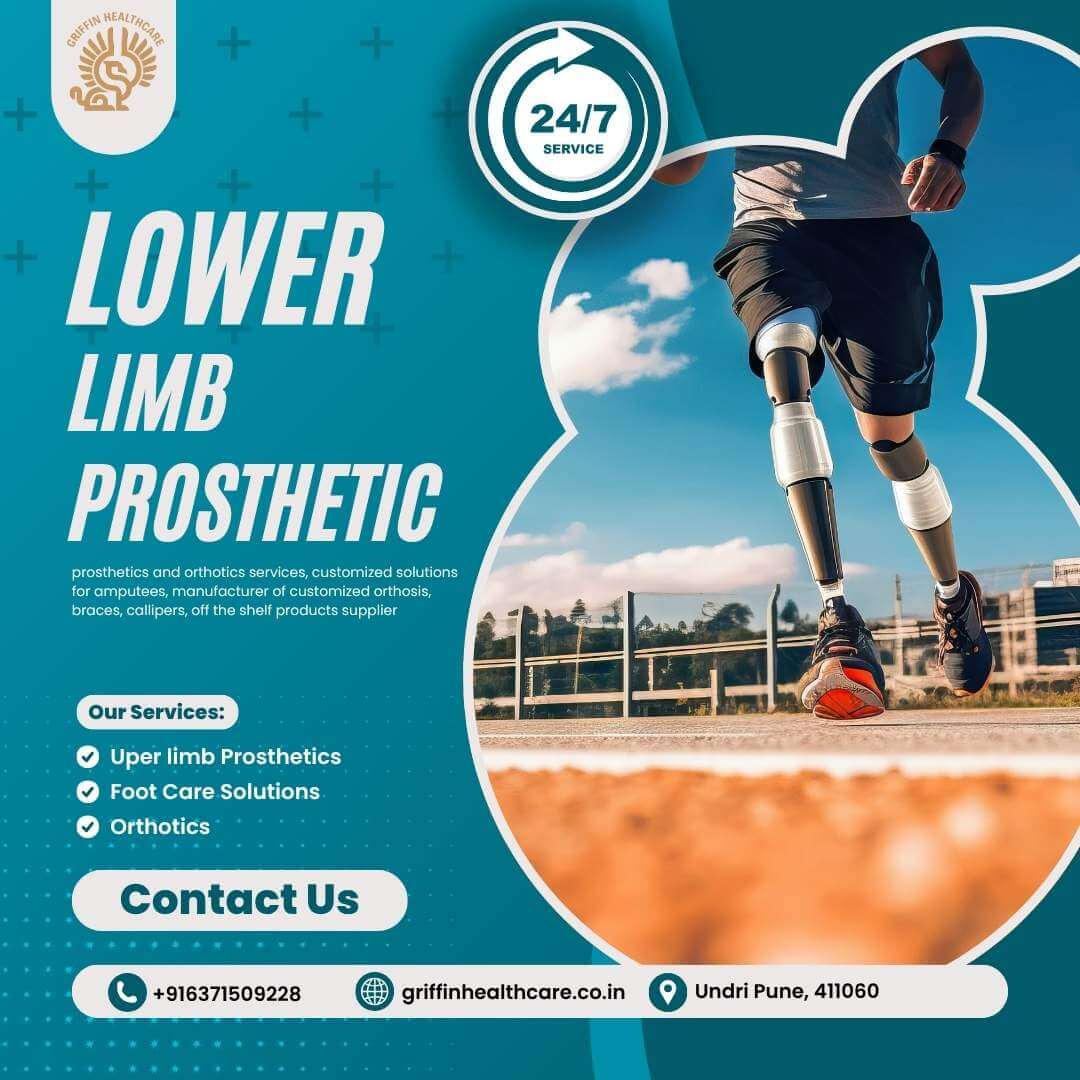
These systems allow for smoother, more natural movements that are in sync with the body, making tasks like climbing stairs or walking on uneven ground more intuitive.
3D printing has changed the game when it comes to producing prosthetics. With this technology, highly personalized limbs can be designed and manufactured rapidly, at a much lower cost.
What makes 3D-printed prosthetics special:
Tailored fit for improved comfort
Lightweight build for easier mobility
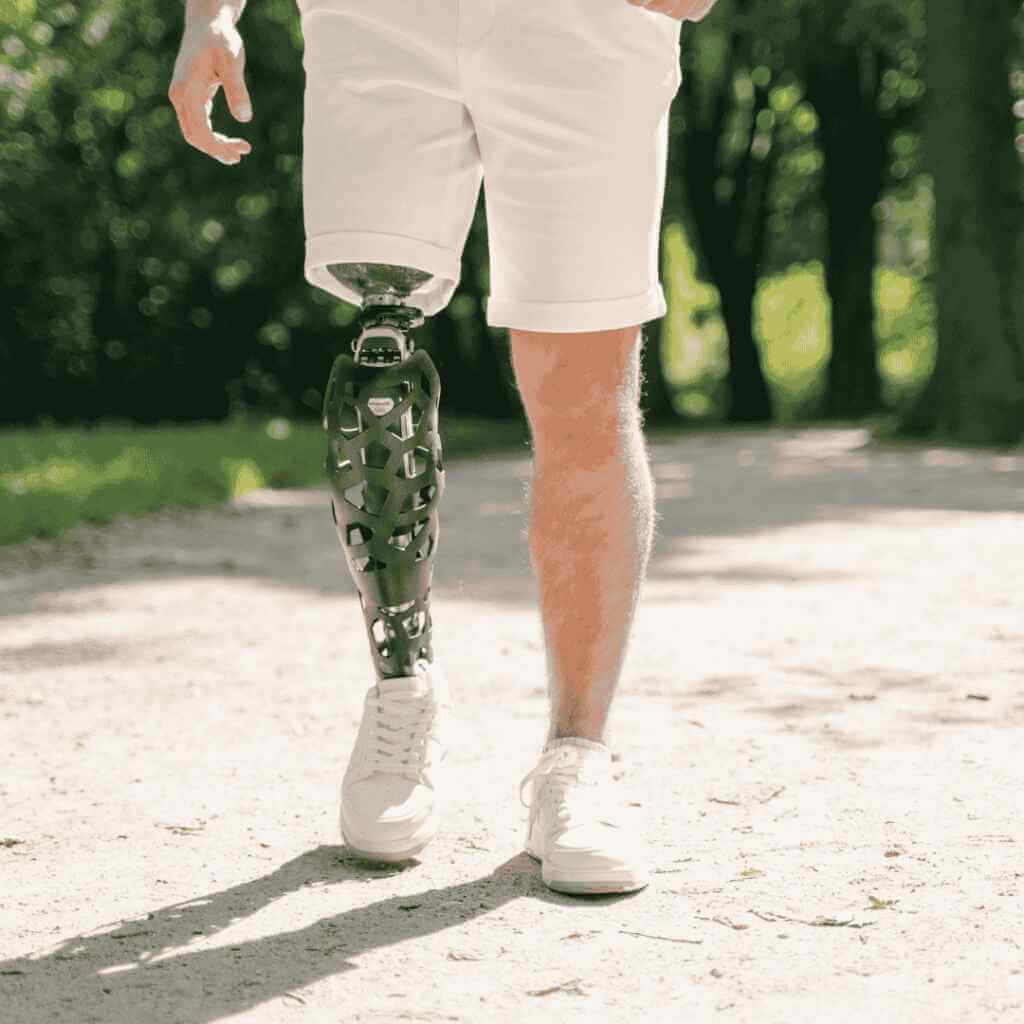
Custom designs—from realistic human skin to colorful superhero themes, especially popular among kids
This innovation not only democratizes access but also gives users a sense of identity and personalization.
Osseointegration is a surgical procedure that connects a prosthetic directly to the user’s bone using a titanium implant. This eliminates the need for traditional sockets, which can cause discomfort and skin issues.
Advantages of this method:
Enhanced stability and control
Greater load-bearing capability
Reduced friction and irritation during movement
For many, it represents a major leap toward prosthetics that truly feel like part of the body.
Gaining back physical function through a prosthetic also restores something less visible—but just as vital: emotional wellbeing.
Users often experience:
A renewed sense of confidence
Reduced emotional stress or social anxiety
Greater independence in daily routines
Whether it’s returning to work, socializing, or pursuing hobbies, these technologies empower people to live fuller lives.
The horizon of prosthetics is even more ambitious. Emerging research is focused on making limbs that behave more like biological organs than machines.
Developments on the way include:
Brain-computer interfaces that offer total mental control
Self-repairing materials that heal like human tissue
Biohybrid limbs grown using living cells and robotic components
This could mean limbs that not only move and feel like the real thing—but also grow and adapt with the user’s body over time.
What began as simple mechanical aids has now evolved into lifelike extensions of the human body. Thanks to advancements in materials science, neurotechnology, artificial intelligence, and design, prosthetics are no longer just replacements—they’re enhancements.
As innovation continues, we’re moving closer to a world where prosthetic limbs do far more than restore function—they redefine what's possible.




.png)

Explore patient stories, rehab solutions, & mobility updates @griffin_healthcare
Follow @griffin_healthcare