Losing a leg is life-changing, and one of the most common questions people ask is: “Is wearing a prosthetic leg painful?”
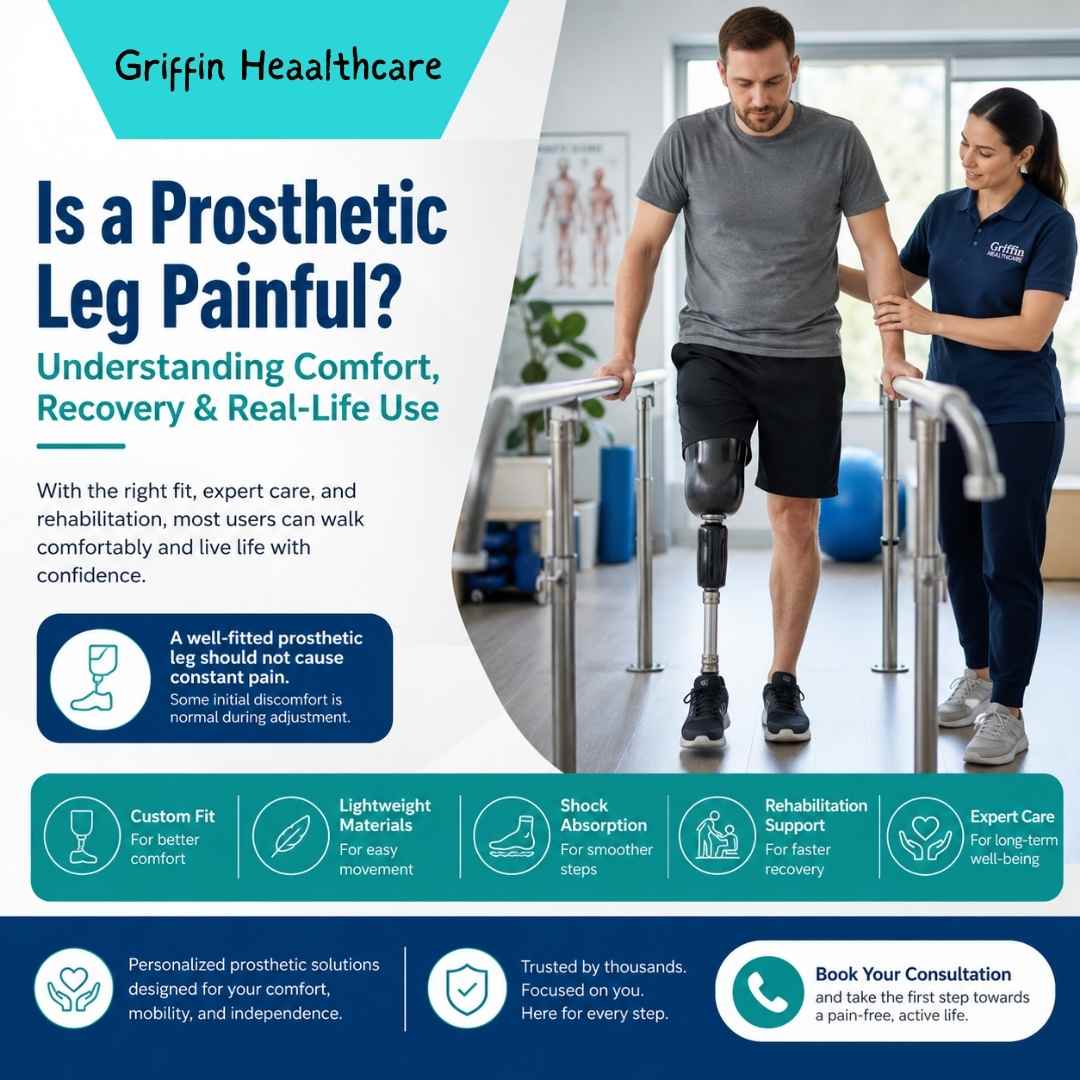
The simple answer is - a properly fitted prosthetic leg should not cause constant pain. However, during the adjustment period, some discomfort is normal. With the right care, expert fitting, and rehabilitation support, most users can walk comfortably and return to daily life with confidence.
At Griffin Healthcare, patients receive advanced prosthetic solutions designed for comfort, mobility, and long-term use.
Why Do Some People Feel Pain with a Prosthetic Leg?
A prosthetic leg works by transferring body weight through the remaining limb, also called the residual limb or stump. If the prosthesis is not fitted correctly or the body is still healing, discomfort can happen.
Some common reasons include:
1. Initial Adjustment Period
When someone starts using an artificial leg, the body needs time to adapt. Muscles, skin, and balance systems are learning a new way of movement. Mild soreness during the first few weeks is common.
This discomfort usually improves with:
2. Poor Socket Fit
The socket is the part of the prosthetic leg that connects to the body. If it is too loose or too tight, it may cause:
That is why custom fitting is extremely important. At Griffin Healthcare’s prosthetic care services, every prosthetic limb is designed according to the patient’s body shape, activity level, and comfort needs.
3. Phantom Limb Pain
Some amputees experience sensations that feel like the missing limb is still present. This is known as phantom limb pain.
It may feel like:
This condition is related to nerve signals and the brain’s adjustment process. Treatment may include:
Is It Normal to Feel Discomfort While Walking?
Yes, mild discomfort in the beginning can be normal. But severe pain is not normal and should never be ignored.
A good prosthetic leg should allow:
If pain continues, the prosthetic may need adjustment or replacement parts.
How Modern Prosthetic Legs Improve Comfort
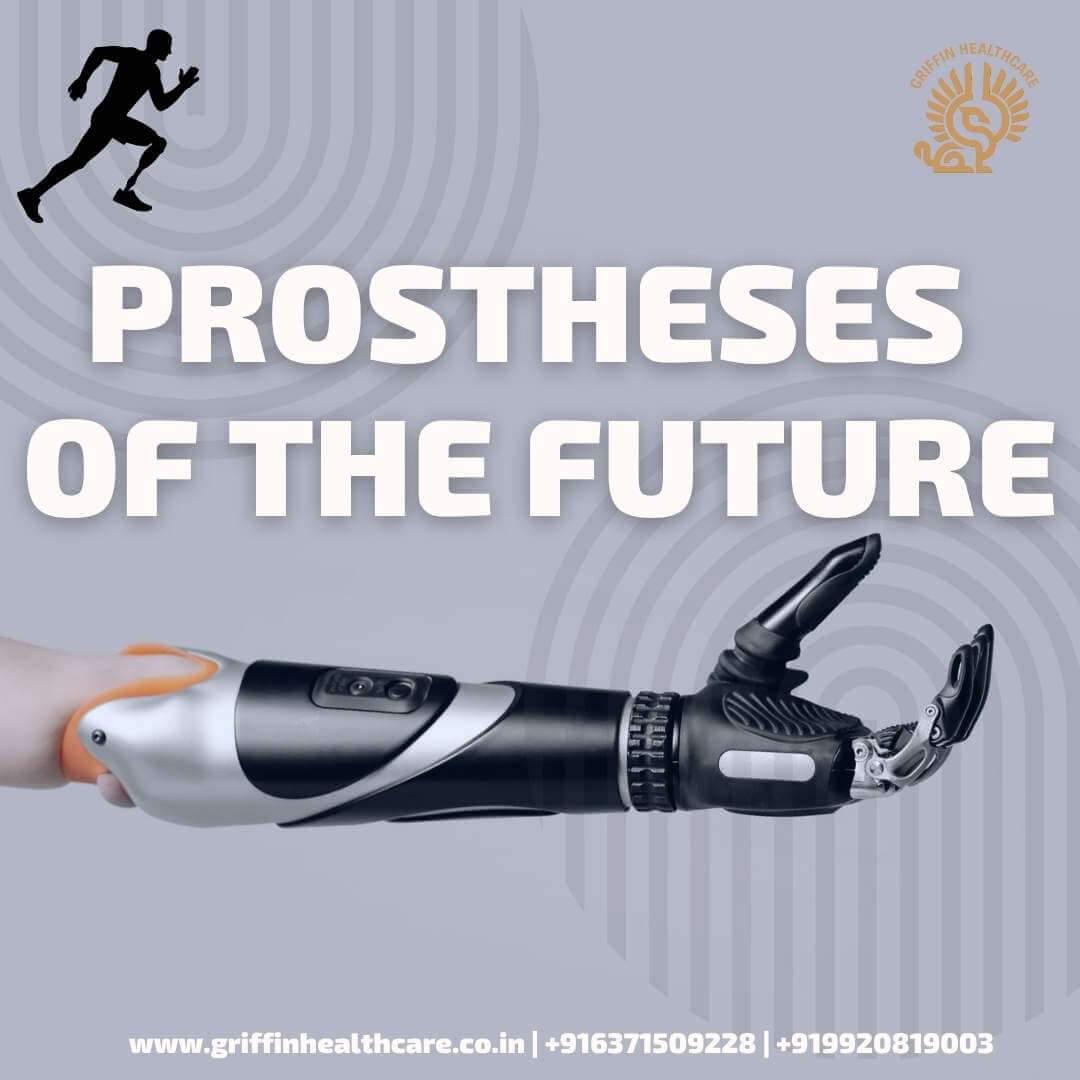
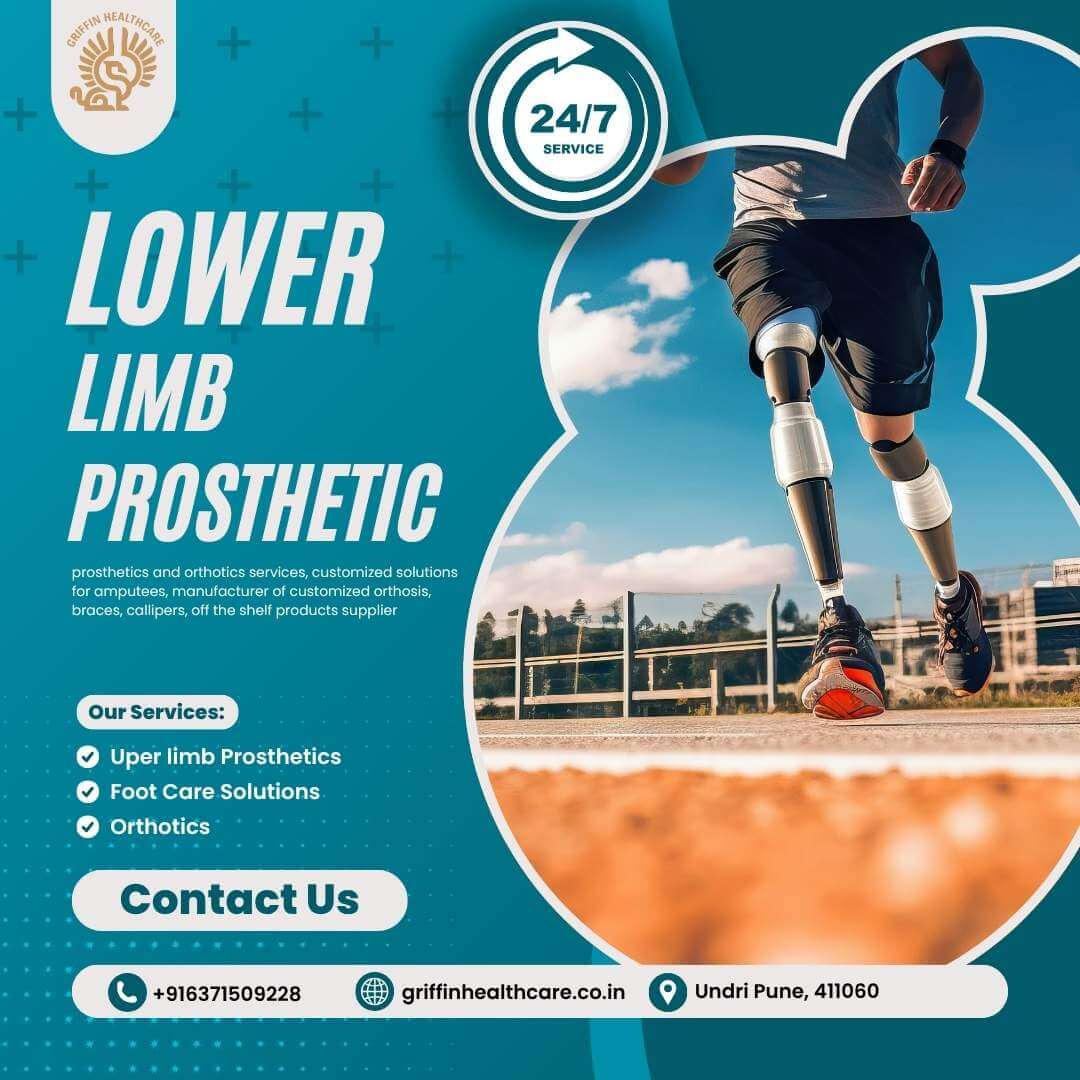
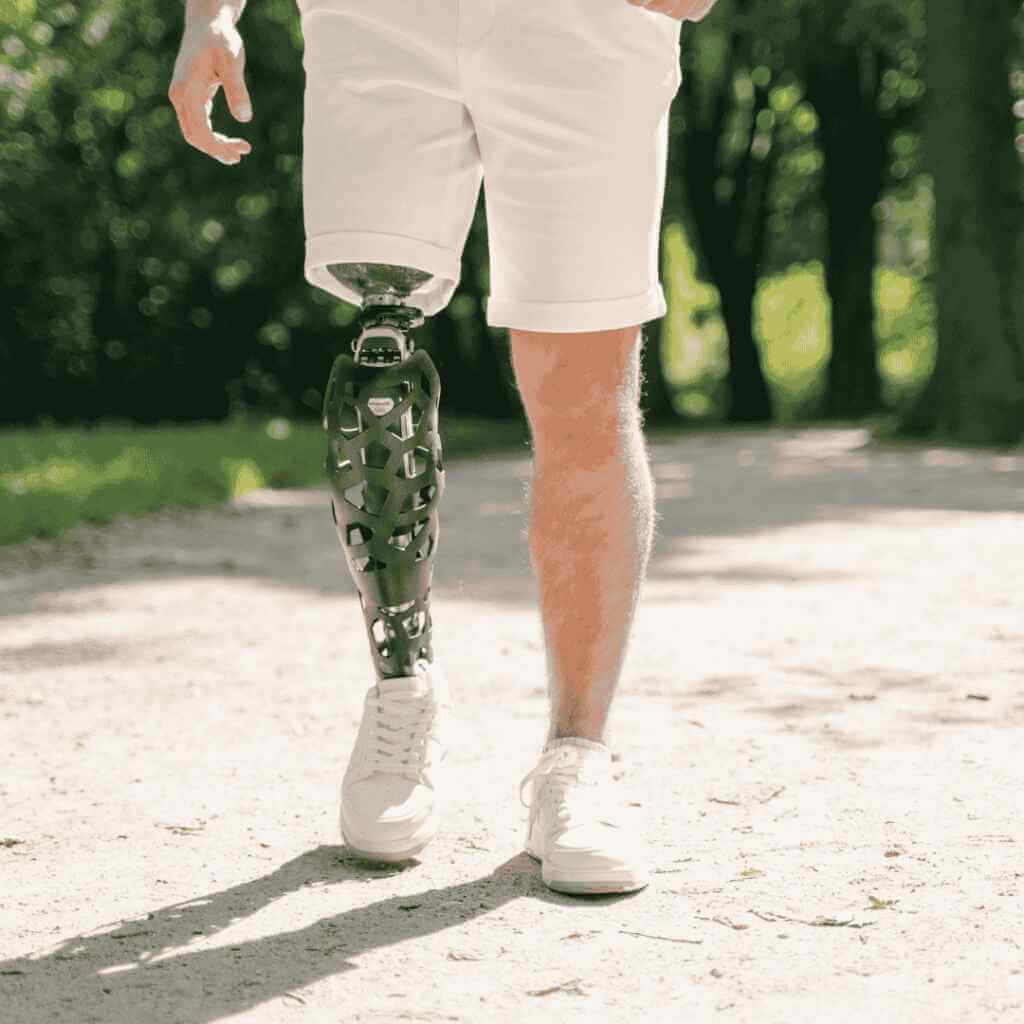
Technology has improved prosthetic limbs significantly over the years. Modern artificial legs are lighter, smarter, and more comfortable than older designs.
Features that improve comfort include:
Patients looking for advanced mobility solutions can explore services offered by Griffin Healthcare India for customized prosthetic fitting and rehabilitation support.
Tips to Reduce Prosthetic Leg Pain
Keep the Residual Limb Clean
Sweat and friction can irritate the skin. Daily cleaning helps prevent infection and discomfort.
Wear the Correct Prosthetic Socks
Special prosthetic socks help improve fitting and reduce rubbing.
Attend Follow-Up Appointments
The shape of the residual limb can change over time. Regular checkups help ensure the prosthesis still fits correctly.
Do Strengthening Exercises
Strong muscles improve balance and reduce pressure on sensitive areas.
Never Ignore Skin Problems
If you notice:
consult your prosthetist immediately.
Emotional Concerns and Fear of Pain
Many people delay getting a prosthetic leg because they fear pain or discomfort. This fear is understandable, especially after surgery or trauma.
But with:
most users achieve excellent mobility and independence.
At Griffin Healthcare’s rehabilitation support center, patients are guided through every stage of recovery, from fitting to walking training.
Objection Handling: Common Questions Patients Ask
“Will I always feel pain while wearing a prosthetic leg?”
No. A well-fitted prosthetic should feel comfortable for daily activities. Some adjustment discomfort is normal initially, but long-term pain usually means the fit needs correction.
“Can I walk normally again?”
Many people return to walking, working, traveling, and even sports after rehabilitation. Progress depends on health condition, therapy, and prosthetic quality.
“What if my stump changes shape?”
This is common, especially during the first year after amputation. Prosthetic adjustments can improve fit and comfort.
“Are modern prosthetic legs heavy?”
No. Modern prosthetic limbs are designed using lightweight materials that improve movement and reduce strain.
“Is physiotherapy necessary?”
Yes. Physiotherapy helps improve:
It also reduces the risk of pain and falls.
When Should You Consult a Prosthetic Specialist?
You should seek professional help if you experience:
Early correction prevents long-term complications.
Final Thoughts
So, is a prosthetic leg painful?
In most cases, no - not when it is properly fitted and professionally managed. While there may be an adjustment phase, modern prosthetic technology allows users to live active and comfortable lives.
Choosing an experienced prosthetic care provider makes a major difference in recovery and comfort. Griffin Healthcare focuses on personalized prosthetic solutions, rehabilitation, and patient-centered care to help individuals regain independence with confidence.




.png)

Explore patient stories, rehab solutions, & mobility updates @griffin_healthcare
Follow @griffin_healthcare