.jpg)
A Practical Guide by Griffin Healthcare, Pune
When we talk about back pain, knee strain, or heel discomfort, the conversation usually starts at the place where it hurts. But the real story often begins lower — at the feet.
Your feet are not just body parts that touch the ground. They are dynamic structures designed to absorb shock, balance your body weight, and adapt to different surfaces. When their natural mechanics are disturbed, the effects can travel upward through the ankles, knees, hips, and spine.
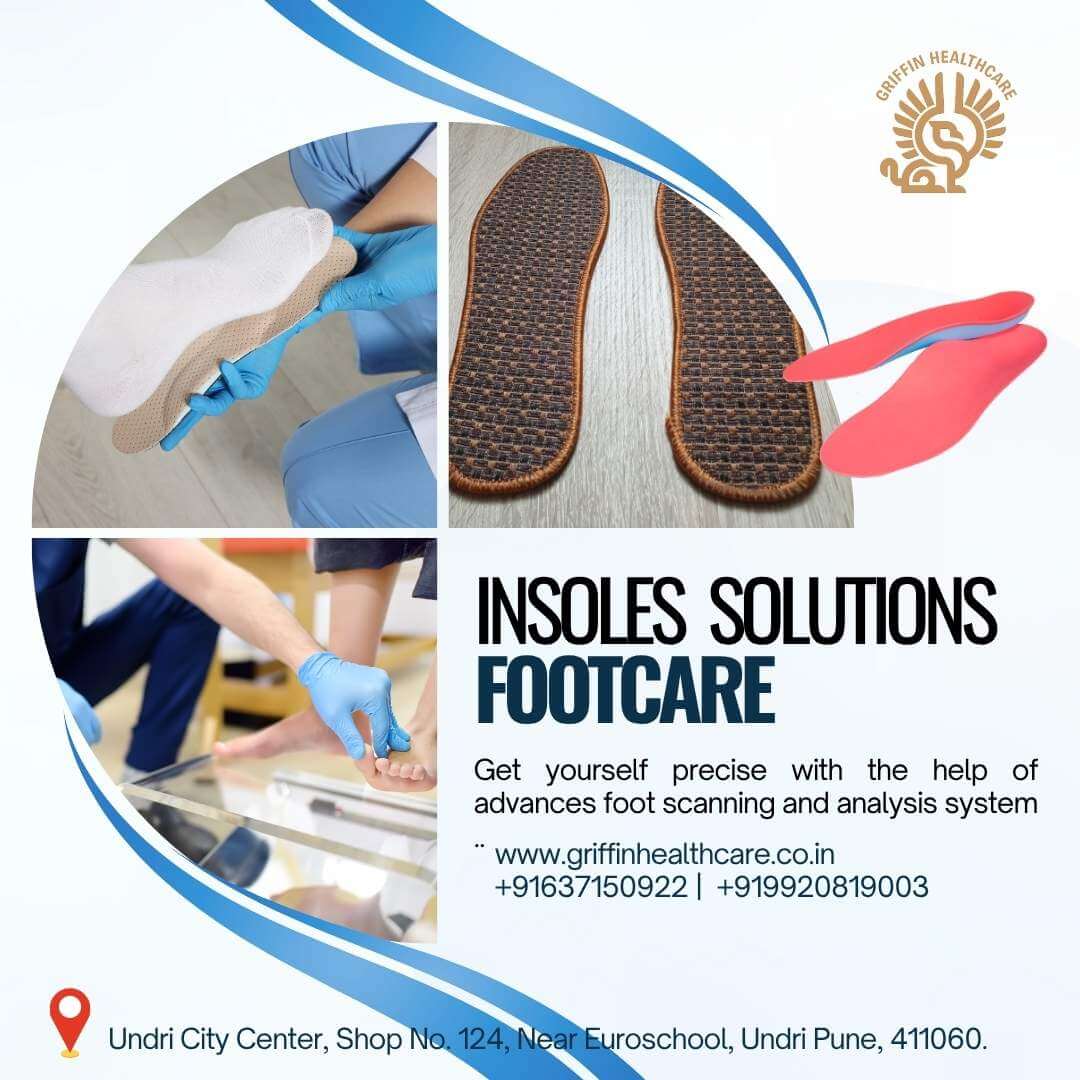
This is where customized orthotics become important — not as generic insoles, but as medically designed devices that influence posture and walking patterns at a foundational level.
At Griffin Healthcare Pune, the focus is on detailed assessment, scientific gait evaluation, and precise orthotic fabrication tailored to individual needs.
Foot biomechanics refers to how your feet move and function during standing, walking, and running.
Each foot has:
Together, they form a complex system designed for two key functions:
Every step you take goes through phases:
If alignment is correct, forces are distributed evenly.
If not, pressure gets concentrated in certain areas — leading to strain and long-term complications.
Even minor misalignments can create chain reactions:
Common symptoms include:
Many people treat these symptoms individually without addressing the root mechanical issue.
Let’s break the myth: orthotics are not just soft cushions.
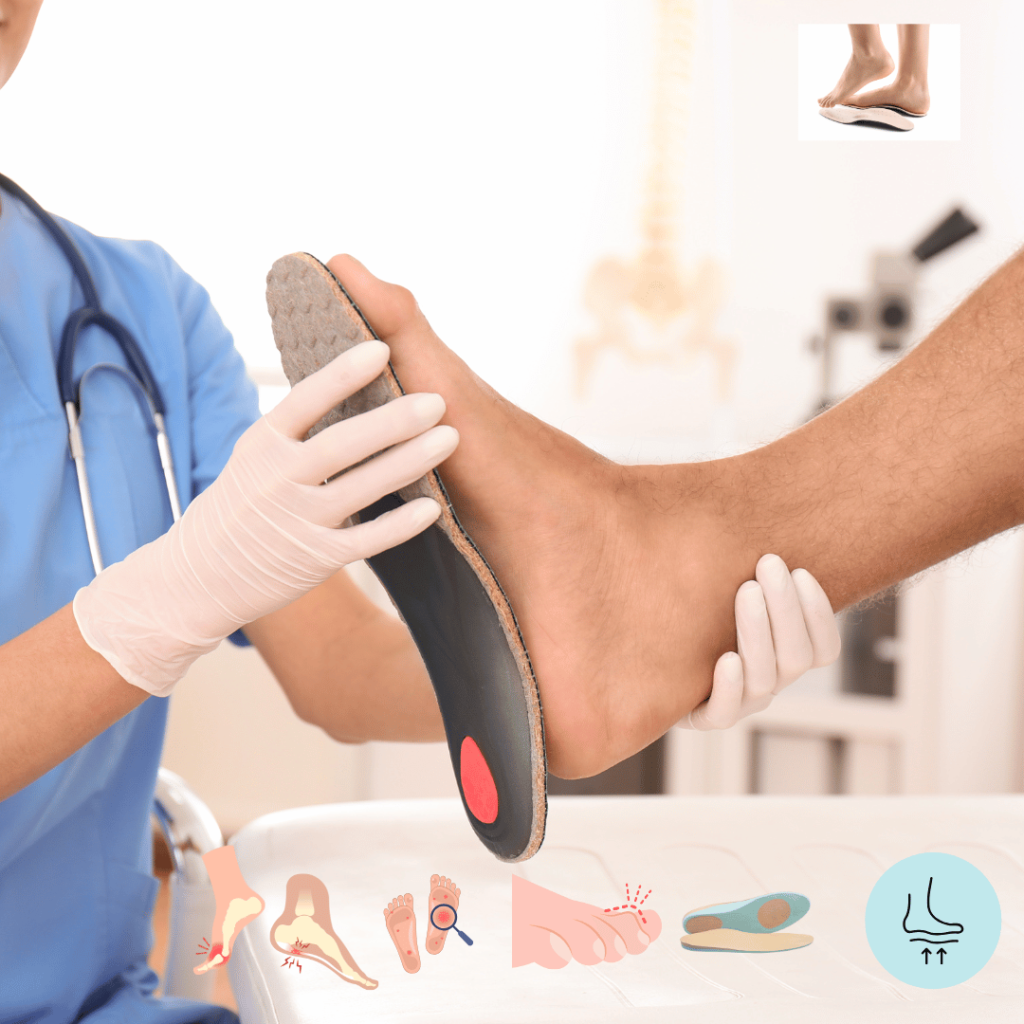
A custom orthotic device is designed after:
At Griffin Healthcare Pune, advanced evaluation methods help identify abnormal loading patterns and structural imbalances before designing the orthotic.
Instead of forcing the foot into an artificial position, a well-designed orthotic supports natural movement while correcting mechanical deviations.
You may benefit if you:
Customized orthotics are particularly important for diabetic patients because pressure redistribution reduces the risk of ulcers — a serious concern in long-term diabetes management.
Think of your body as a building. The feet form the base.
If the base tilts, the upper structure compensates.
Improper foot alignment can:
Correcting foot mechanics often reduces secondary strain elsewhere in the body — not by masking pain, but by addressing structural load distribution.
At Griffin Healthcare Pune, the process typically includes:
Services extend beyond orthotics and include:
The emphasis is on evidence-based solutions tailored to Indian lifestyles — whether it involves traditional footwear use, long working hours, or varied walking surfaces.
Usually 1–3 years depending on usage and body weight.
They can be designed for specific shoe types including formal shoes, sports shoes, and diabetic footwear.
Some adjustments may feel noticeable early on, but the body may take time to adapt to corrected alignment.
Foot biomechanics is not a niche concept — it’s central to how your entire body functions during movement.
Ignoring subtle foot imbalances can lead to progressive joint strain. Addressing them early with scientifically designed customized orthotics can prevent long-term structural stress.
If you are in Pune, Nashik, Satara, or nearby regions, consulting a professional center like Griffin Healthcare for a detailed gait and posture assessment can provide clarity on whether custom orthotics are appropriate for you.




.png)

Explore patient stories, rehab solutions, & mobility updates @griffin_healthcare
Follow @griffin_healthcare