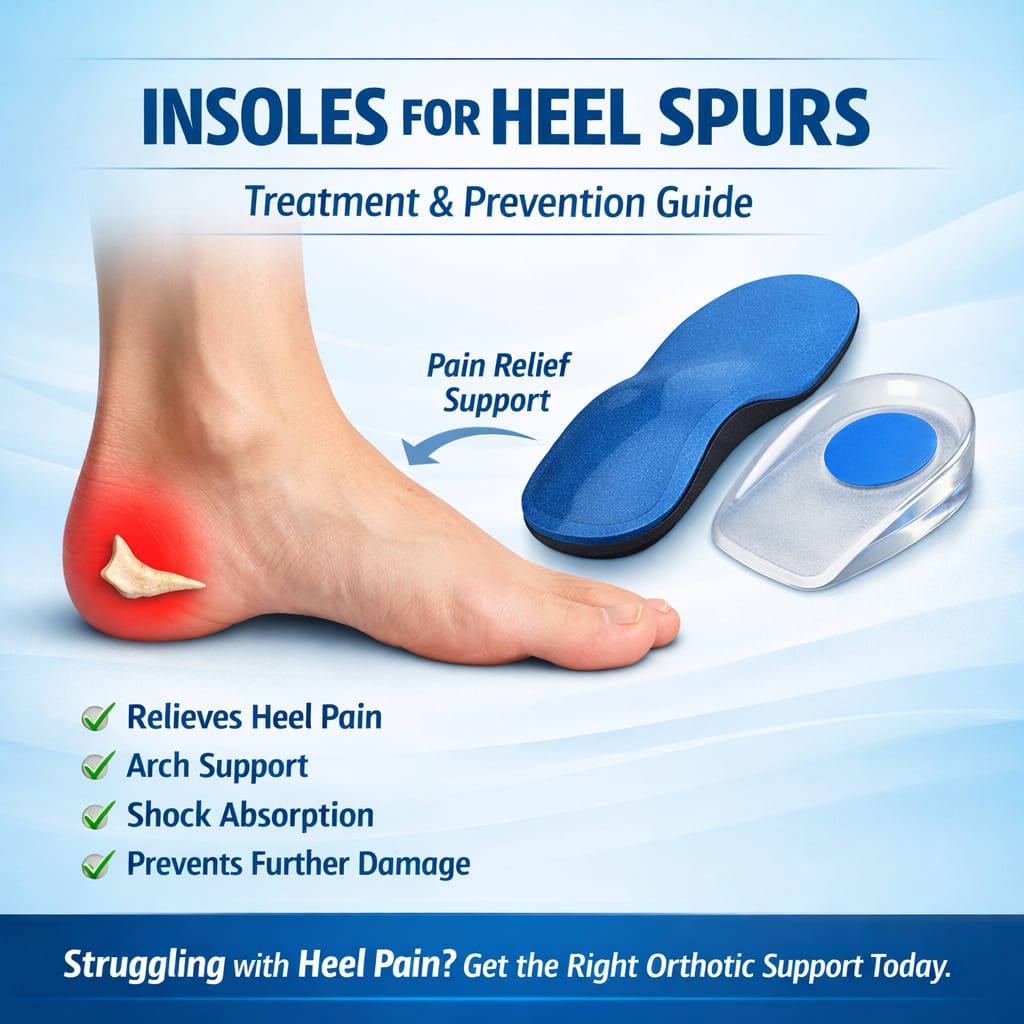
Heel pain can make even simple activities like walking or standing unbearable. One of the most common causes is a heel spur — a painful bony growth that develops on the underside of the heel bone. The good news? With the right medical insoles, heel spurs can be effectively managed and even prevented from worsening.
This comprehensive guide explains what heel spurs are, how insoles help, and what type of orthotic solution is best for long-term relief.
What Is a Heel Spur?
A heel spur is a calcium deposit that causes a bony protrusion on the bottom of the heel bone. It is often associated with Plantar Fasciitis, a condition where the thick band of tissue (plantar fascia) connecting your heel to your toes becomes inflamed.
Common Symptoms:
Not all heel spurs cause pain, but when combined with plantar fasciitis, discomfort can be significant.
What Causes Heel Spurs?
Heel spurs usually develop due to:
Over time, the body responds to stress by depositing calcium, forming a spur.
How Insoles Help in Heel Spur Treatment
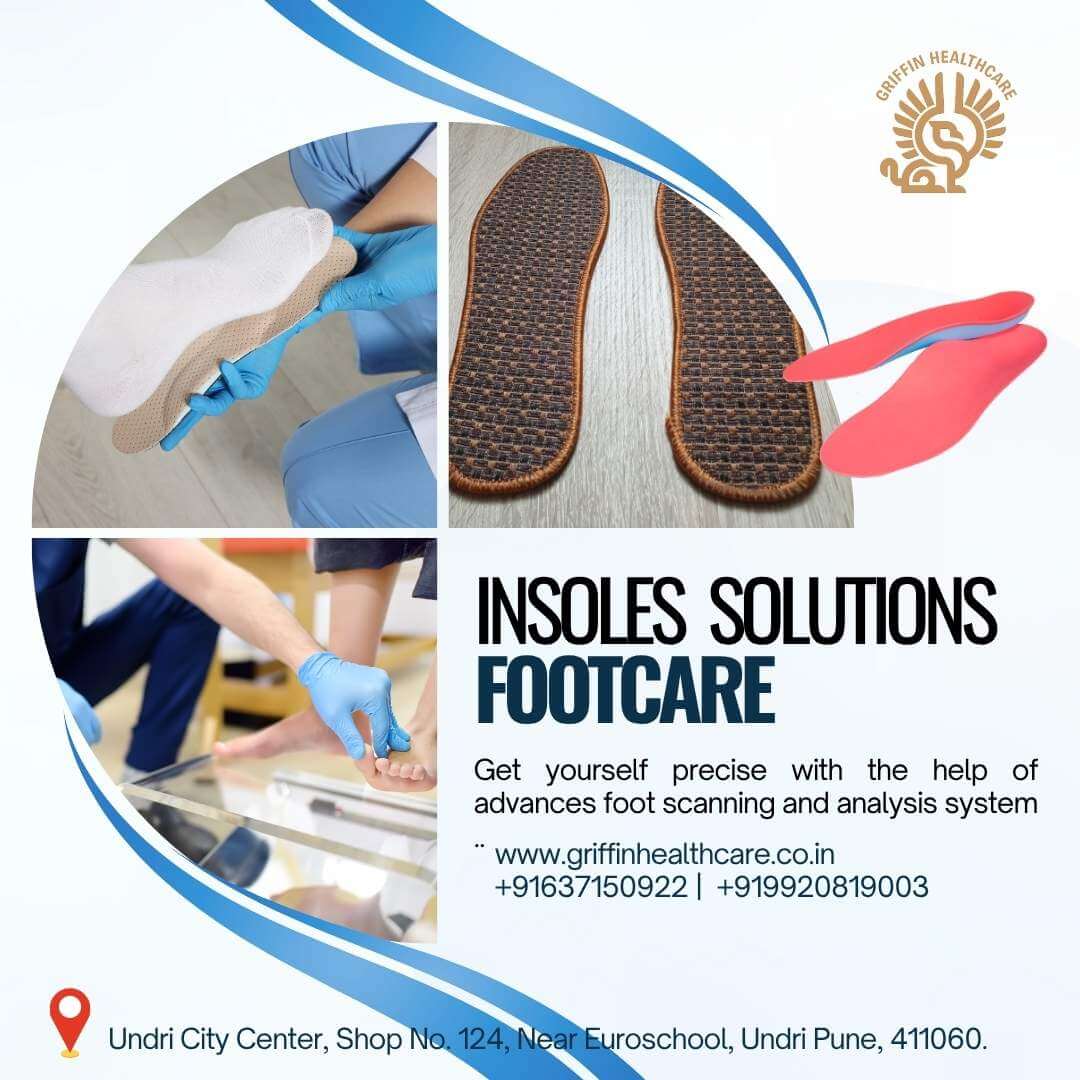
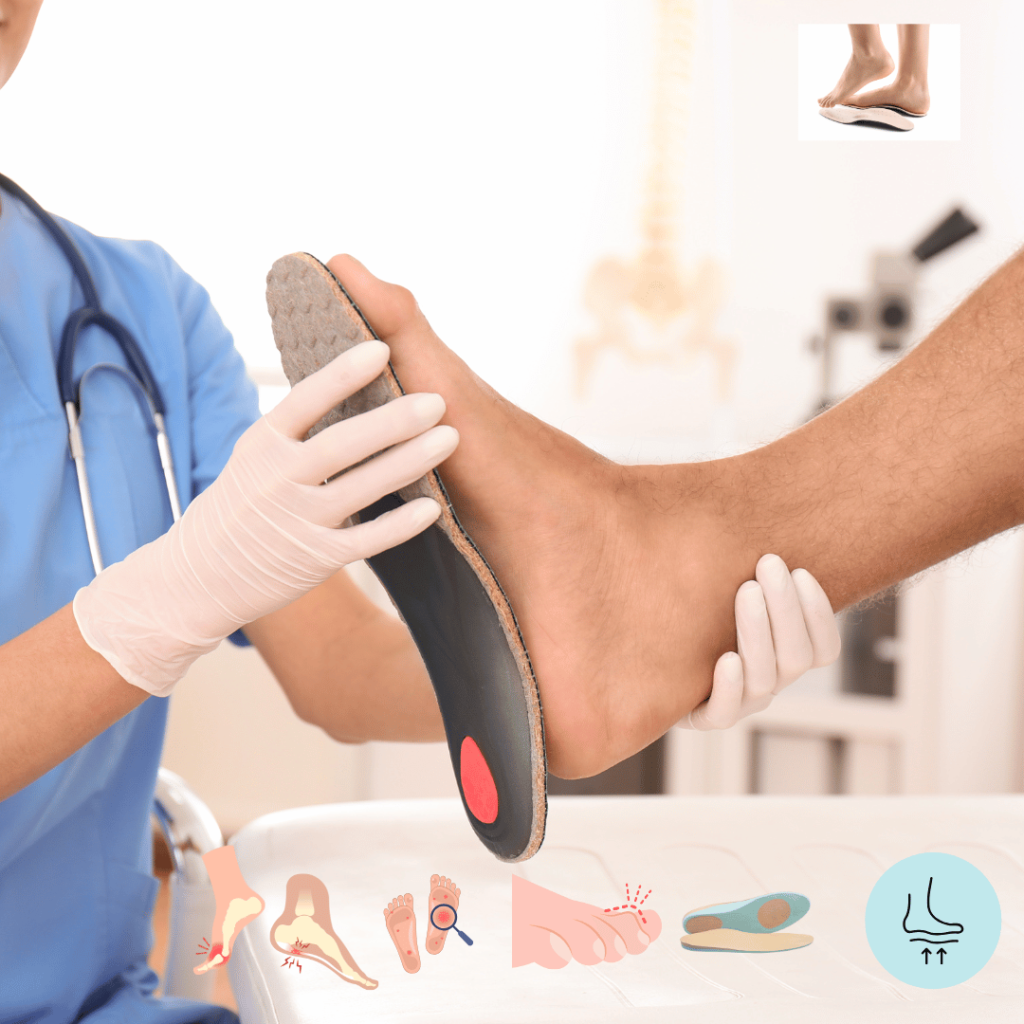
Medical insoles (orthotics) are one of the most effective non-surgical treatments for heel spurs.
1Cushioning the Heel
Insoles provide shock absorption, reducing pressure on the heel bone.
2Arch Support
Proper arch support reduces strain on the plantar fascia, minimizing inflammation.
3Pressure Redistribution
Custom orthotics evenly distribute body weight across the foot, preventing excessive pressure on the heel.
4 Correcting Foot Alignment
Misaligned feet increase heel stress. Orthotics correct gait mechanics.
Types of Insoles for Heel Spurs
1. Silicone Heel Cups
2. Arch-Support Insoles
3. Custom Orthotics (Recommended for Chronic Cases)
Custom insoles are especially beneficial for patients with diabetes, arthritis, or severe flat feet.
Additional Treatment Options (Along with Insoles)
Surgery is rarely required and is considered only when conservative treatment fails.
Prevention Tips for Heel Spurs
Prevention is always better than treatment. Here’s how you can reduce risk:
✔ Wear supportive shoes with arch support
✔ Avoid walking barefoot on hard floors
✔ Maintain healthy body weight
✔ Stretch calf muscles regularly
✔ Replace worn-out shoes
✔ Use medical insoles if you stand long hours
When Should You See a Specialist?
Consult an orthotist or podiatrist if:
Early intervention prevents chronic complications.
Frequently Asked Questions (FAQs)
Q1: Do insoles permanently cure heel spurs?
Insoles do not remove the spur but relieve pain and prevent progression.
Q2: How long should I wear insoles daily?
Ideally, during all weight-bearing activities.
Q3: How long do custom insoles last?
Typically 1–3 years depending on usage and material.
Final Thoughts
Heel spurs can be painful but are manageable with the right orthotic support. Choosing high-quality medical insoles not only reduces pain but also prevents long-term complications.
If heel pain is affecting your daily life, consider a professional foot assessment to determine whether custom orthotics are right for you.





.png)

Explore patient stories, rehab solutions, & mobility updates @griffin_healthcare
Follow @griffin_healthcare