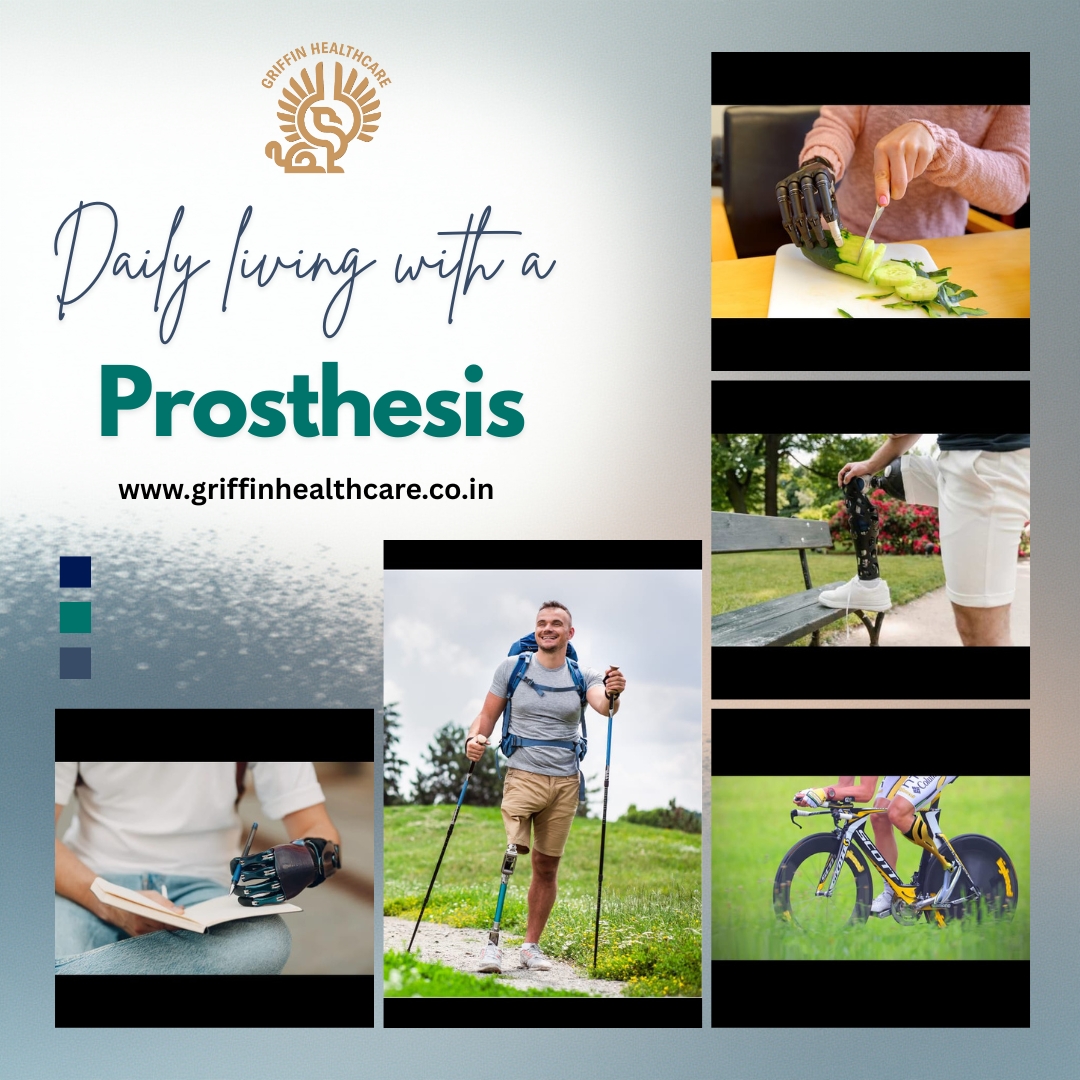
Living with a prosthesis is about much more than mobility—it’s about independence, confidence, and enjoying everyday life. Many prosthesis users wonder whether they can return to normal activities like writing, dancing, hiking, or riding a bicycle.
The good news? With the right techniques, training, and mindset, daily activities become easier and more enjoyable over time. This guide offers practical, real-world tips designed especially for patients and caregivers.
Adapting to Daily Life with a Prosthetic Limb
Every person’s journey with a prosthesis is unique. Daily performance depends on:
Patient Tip: Progress gradually. Small improvements each day lead to long-term independence.
Writing & Fine Motor Activities with a Prosthesis
Using an upper-limb prosthesis for tasks like writing, typing, or handling small objects may feel difficult at first, but with the right approach it becomes easier over time. Choosing pens with a thicker grip or using adaptive holders can make writing more comfortable, while resting the arm on a table provides extra stability. Short practice sessions help prevent strain, and combining the prosthesis with the natural hand can improve control. Tools such as slanted boards or tablets also add convenience. With steady practice, both coordination and confidence grow, making everyday fine motor activities more manageable.
Dancing with a Prosthesis: Balance & Expression
Dancing with a prosthesis can be a wonderful way to build balance, improve coordination, and lift your mood. It’s best to begin with slow, simple movements and pay attention to how your weight shifts from one side to the other. Choosing shoes that work well with your prosthesis will make dancing more comfortable, while strengthening your core muscles helps with stability. Practicing in front of a mirror is also useful, as it lets you check your posture and refine your steps. With patience and practice, dancing becomes not only safe but also a joyful form of self-expression. Dancing is about movement and joy—not perfection.
Hiking & Outdoor Walking with a Prosthetic Limb
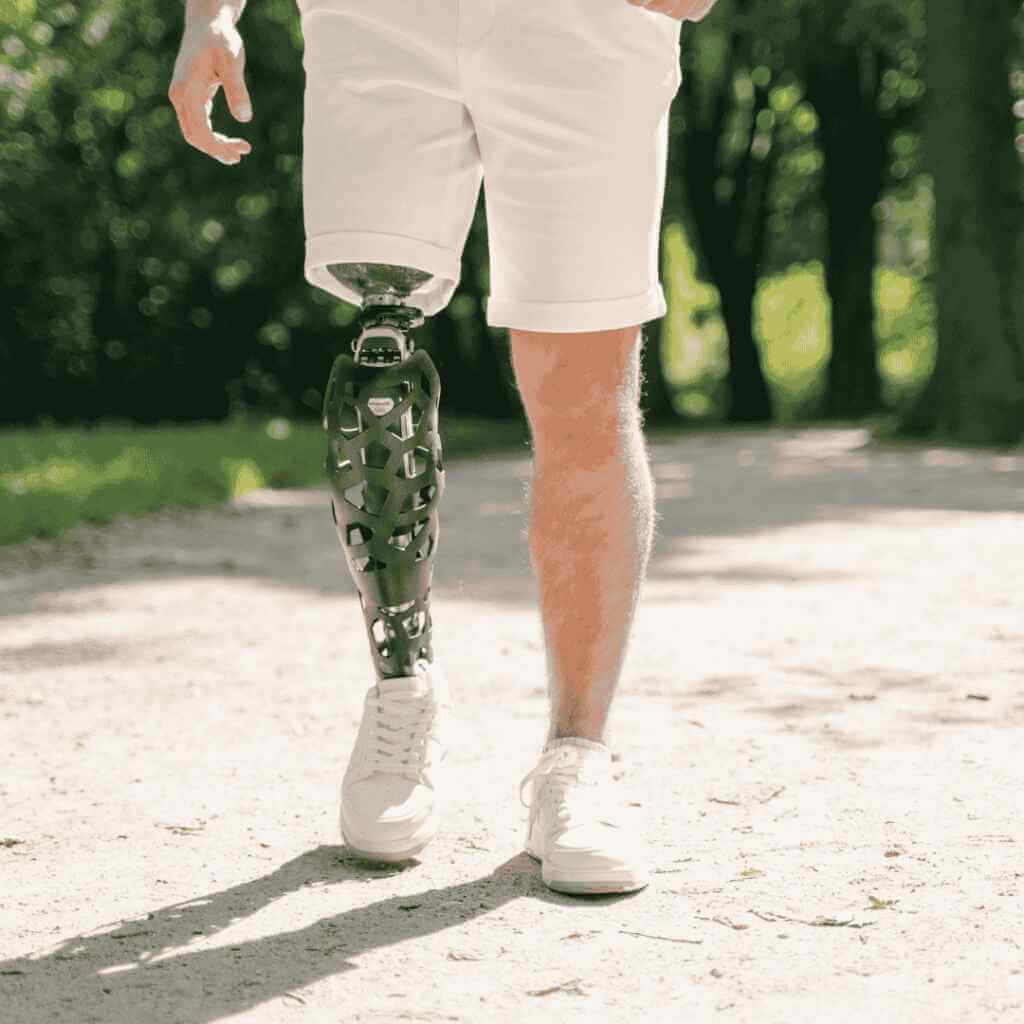
Hiking with a prosthetic limb is a great way to enjoy nature while also building strength and stamina. To stay safe, it helps to pick simple trails that are clearly marked and make sure your prosthesis fits comfortably before you begin. Using trekking poles can give extra balance, and taking short breaks along the way helps prevent skin discomfort. After finishing your walk, it’s important to check your residual limb to ensure everything feels fine. With these small steps, outdoor walking becomes both safe and enjoyable Outdoor walking improves confidence on uneven surfaces.
Riding a Bicycle with a Prosthesis
Cycling with a prosthesis can be a safe and enjoyable way to stay active while strengthening your legs and improving heart health. To make the experience more comfortable, it’s important to adjust the seat height so your body stays in proper alignment. Using pedal straps or specially designed pedals can help keep your feet secure and give you better control. Starting out on a stationary bike is a good idea, as it allows you to practice balance and movement in a safe environment before heading outdoors. Once you feel confident, focus on keeping a smooth and steady pace rather than rushing, which helps prevent strain. And of course, wearing safety gear like a helmet and protective pads is essential to reduce the risk of injury. With these simple steps, cycling becomes not only a great workout but also a fun way to enjoy freedom and mobility. Cycling builds endurance without excessive joint stress.
Skin Care & Comfort During Daily Activities
Healthy skin is essential for successful prosthesis use.
Daily Limb Care Tips
Clean and dry the residual limb daily
Use moisturizers at night (not before wearing the prosthesis)
Inspect for redness, pain, or blisters
Keep liners and socks clean
Report discomfort early to your prosthetist
✔ Good skin care ensures comfort and long-term prosthetic success.
Mental Well-Being & Social Confidence
Adjusting to life with a prosthesis involves emotional strength as well as physical adaptation.
Celebrate small achievements
Stay socially active
Join peer support groups
Seek professional counseling if needed
Confidence grows with acceptance, practice, and support.
Importance of Rehabilitation & Professional Support
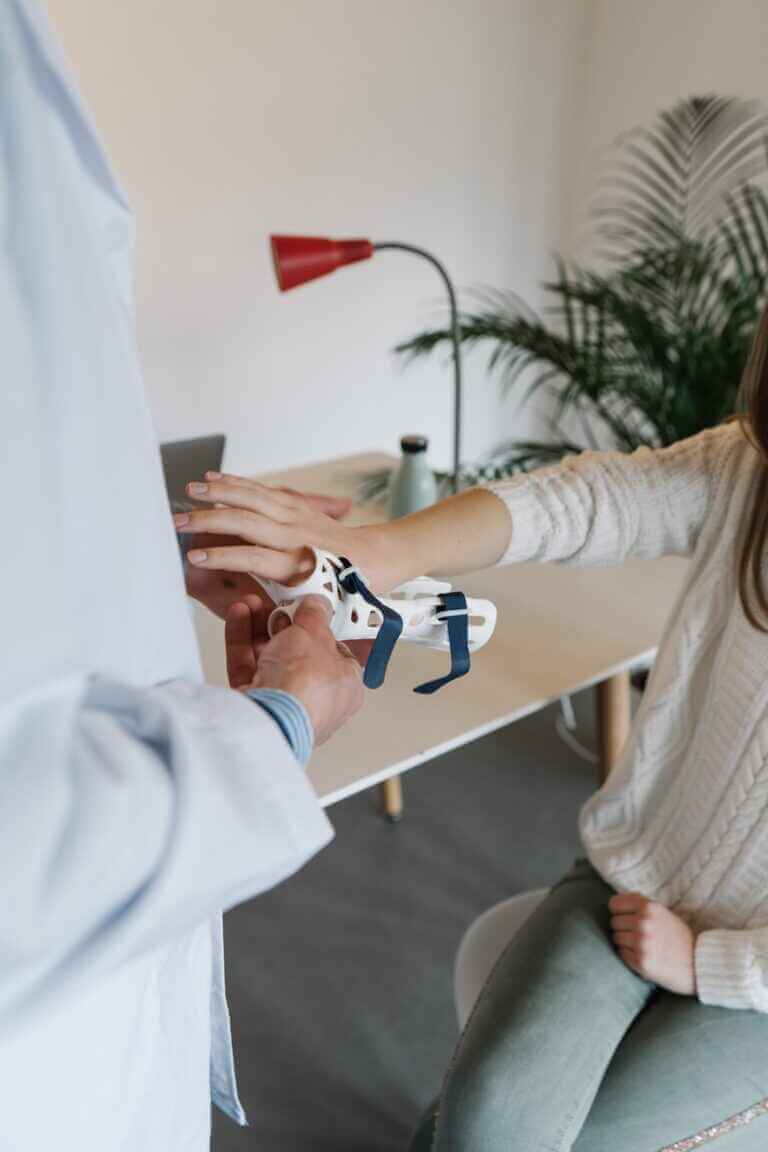
Rehabilitation and professional support play a very important role in helping people adjust to life with a prosthesis. Working with a team of experts—such as prosthetists, physiotherapists, and occupational therapists—makes the journey smoother and more effective. Prosthetists ensure the prosthetic limb fits well and functions properly, while physiotherapists guide exercises that improve strength, balance, and movement. Occupational therapists focus on everyday tasks, teaching practical ways to use the prosthesis comfortably in daily life. This combined support not only reduces the risk of injuries but also helps users feel more confident and at ease with their movements. Over time, these efforts build independence, allowing individuals to carry out activities on their own and enjoy a better quality of life.
Conclusion
Daily living with a prosthesis is a journey of patience, adaptation, and resilience. From writing and dancing to hiking and cycling, an active and fulfilling life is absolutely possible.
Your prosthesis is not a limitation—it’s a tool that supports your independence and lifestyle.




.png)

Explore patient stories, rehab solutions, & mobility updates @griffin_healthcare
Follow @griffin_healthcare