.jpg)
Stroke is one of the leading causes of long-term disability worldwide. Survivors often face challenges such as muscle weakness, spasticity, poor balance, and difficulty walking or using their hands. Orthotics play a crucial role in stroke rehabilitation by supporting weakened muscles, improving alignment, and enabling safer, more efficient movement. When combined with physiotherapy and occupational therapy, orthotic devices significantly enhance recovery outcomes and quality of life.
Understanding Stroke-Related Physical Impairments
After a stroke, damage to the brain can disrupt normal communication with muscles. Common post-stroke impairments include:
Orthotic devices are designed to address these issues mechanically while encouraging correct movement patterns.
What Are Orthotics?
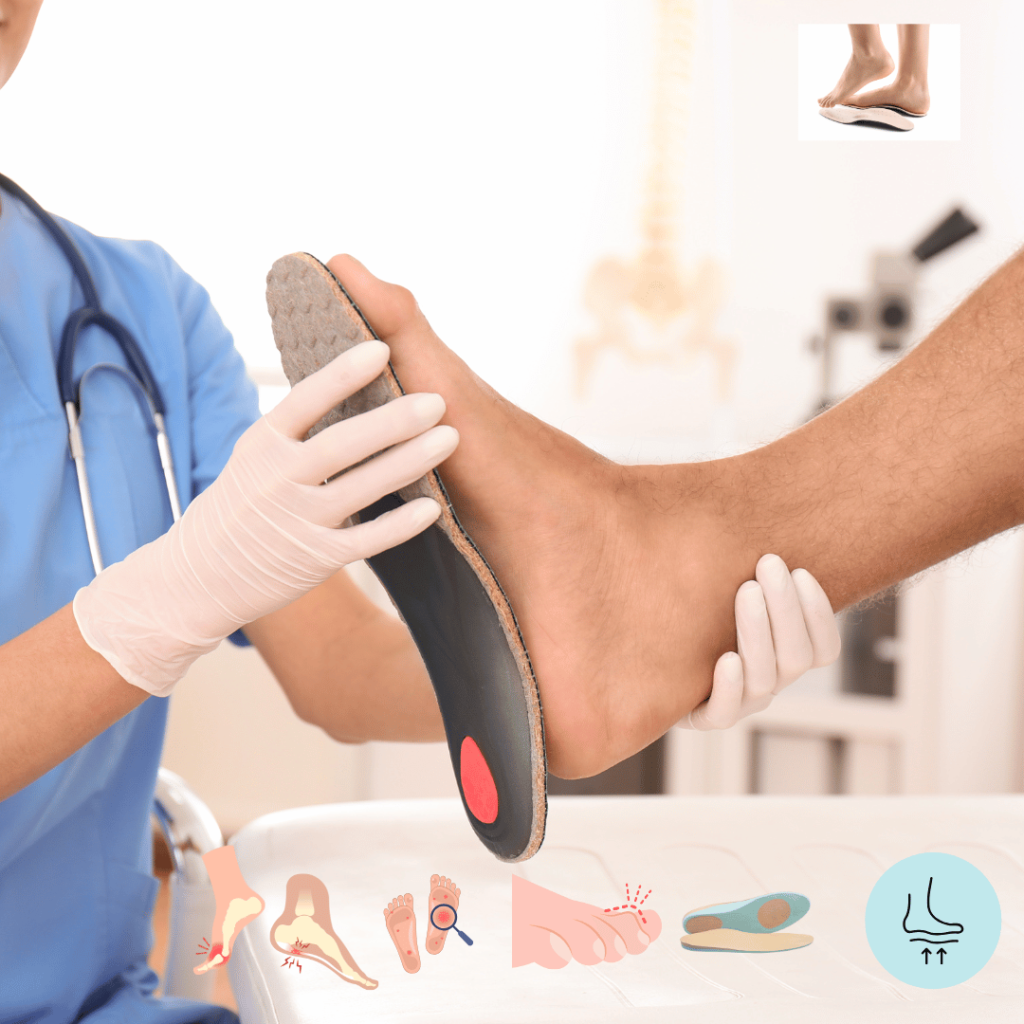
Orthotics are externally applied devices that support, align, prevent, or correct deformities of the musculoskeletal system. In stroke rehabilitation, orthotics are customized to the patient’s deficits, stage of recovery, and rehabilitation goals.
Why Orthotics Are Essential in Stroke Rehabilitation
1. Improving Walking Ability
One of the most common stroke-related problems is foot drop, which increases the risk of tripping and falls. An Ankle Foot Orthosis (AFO) holds the foot in a neutral position, allowing safer heel strike and smoother gait. This helps patients walk with less effort and greater confidence.
2. Enhancing Balance and Stability
Orthotics provide structural stability to weak joints, especially the ankle and knee. Improved alignment of the lower limb enhances balance, reduces fear of falling, and encourages early mobility during rehabilitation.
3. Reducing Spasticity and Muscle Tightness
Certain orthoses maintain muscles in a prolonged stretched position. This helps manage spasticity, reduces stiffness, and prevents painful muscle contractures that commonly develop after stroke.
4. Preventing Secondary Complications
Without proper support, abnormal posture and movement can lead to joint deformities, pressure sores, and chronic pain. Orthotics help prevent long-term complications, protecting joints and soft tissues during recovery.
5. Supporting Upper Limb Recovery
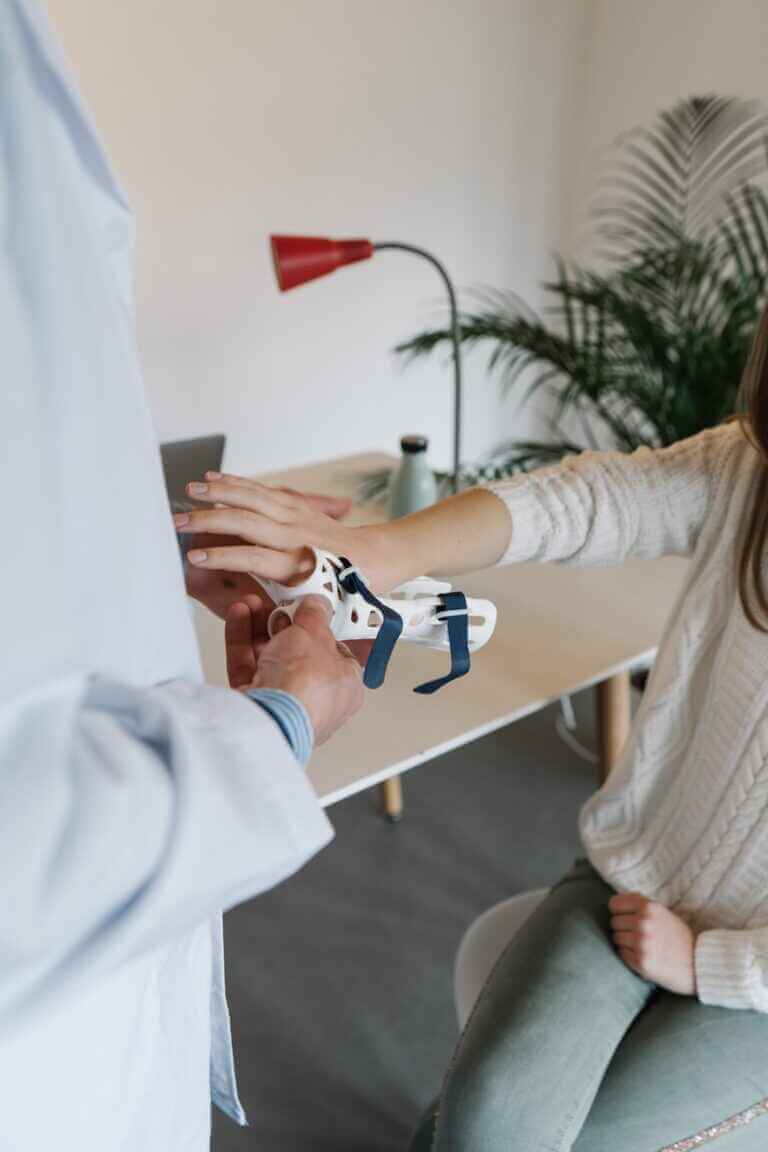
Hand splints and wrist orthoses are commonly used to:
These devices are especially beneficial in the early stages of stroke rehabilitation.
Types of Orthotics Used in Stroke Rehabilitation
Lower Limb Orthotics
Upper Limb Orthotics
Trunk and Postural Orthoses
Spinal and Postural Braces: Help maintain upright posture and improve sitting balance, especially in patients with trunk weakness
Custom vs Prefabricated Orthotics
Custom-made orthotics are designed specifically for the patient’s anatomy and functional needs. They offer:
Prefabricated orthoses may be used temporarily, but long-term stroke rehabilitation benefits most from custom solutions.
Role of the Multidisciplinary Rehabilitation Team
Orthotics are most effective when prescribed and adjusted by a multidisciplinary team that includes:
Regular follow-ups ensure that the orthosis adapts to the patient’s recovery progress and changing needs.
Impact of Orthotics on Quality of Life
When the right orthotic support is used, it can greatly improve the daily life of a person recovering from a stroke. Orthotics help people move more easily, which allows them to do everyday tasks on their own. This reduces their need to depend on family members or caregivers. Better movement also makes it easier to go out, meet people, and take part in social activities. As mobility improves, confidence grows, and mental health becomes stronger. Orthotics do more than support movement—they help stroke survivors feel independent and in control of their lives again.
Future Trends in Stroke Orthotics
New technology is changing the future of stroke recovery and the use of orthotic devices. Modern stroke orthotics are becoming lighter, more comfortable, and easier to wear for long hours. With the help of 3D printing, orthoses can now be made to fit each patient’s body perfectly, improving support and movement. Smart orthotic devices with built-in sensors can track walking patterns and give useful feedback to improve balance and gait. These orthotics can also work along with robotic and neuro-rehabilitation systems, making therapy more effective. Overall, these advancements are helping create more personalized, comfortable, and successful rehabilitation for stroke survivors.
Conclusion
The role of orthotics in stroke rehabilitation is indispensable. By improving mobility, stability, and functional independence, orthotic devices bridge the gap between impairment and recovery. Early assessment, proper customization, and regular monitoring ensure maximum benefits. When used alongside therapy, orthotics become a powerful tool in helping stroke survivors rebuild their lives.



.png)

Explore patient stories, rehab solutions, & mobility updates @griffin_healthcare
Follow @griffin_healthcare