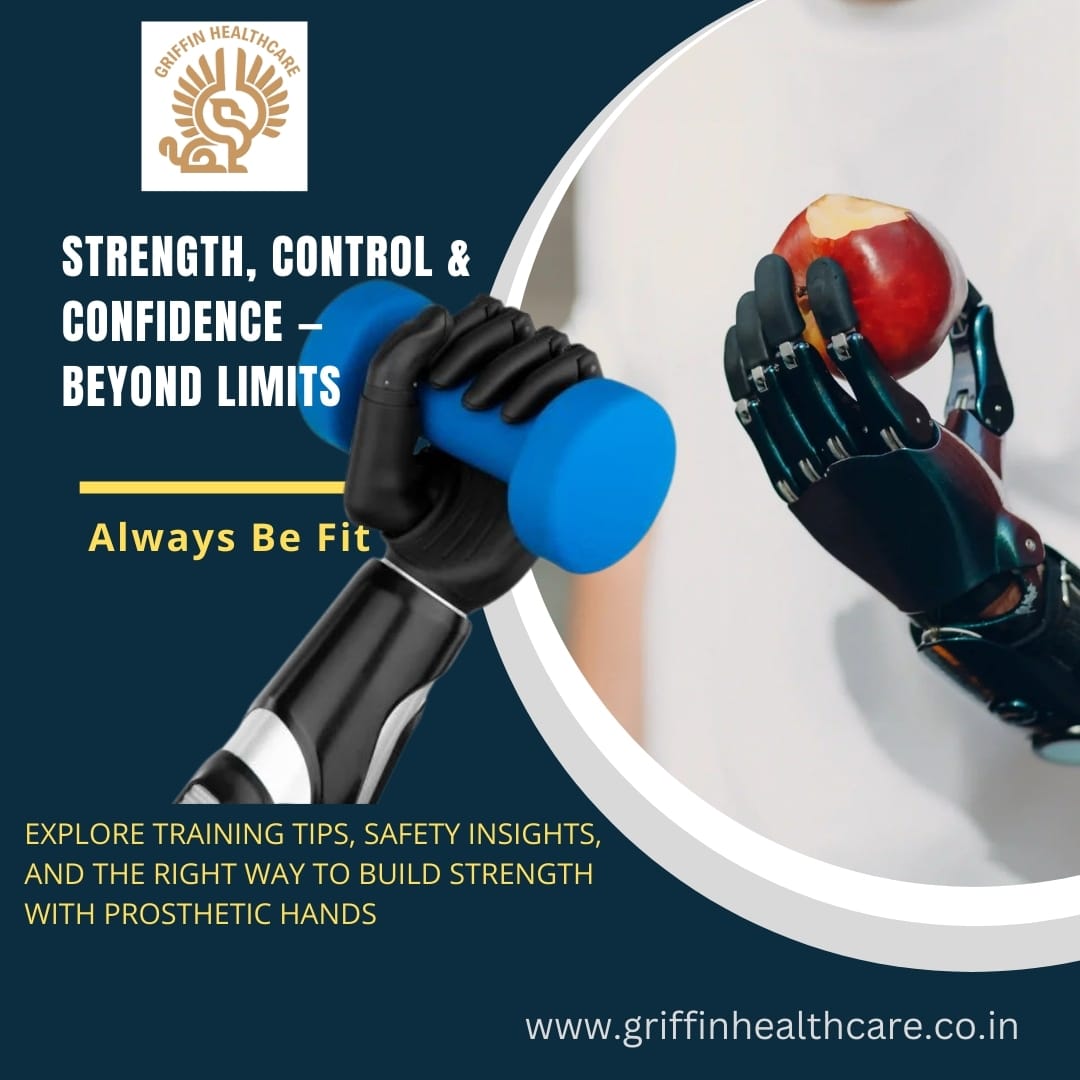
For many amputees in India, one of the biggest concerns after getting a prosthetic arm is whether they can return to regular fitness activities—especially weight training. The empowering truth is that yes, you absolutely can lift weights with a prosthetic arm, provided you understand your device, start progressively, and follow safety guidelines. Weight training offers tremendous benefits for strength, confidence, balance, posture, and mental well-being, and thousands of amputees across India are already proving that the gym is not off-limits.
Understanding Prosthetic Arms for Weight Training
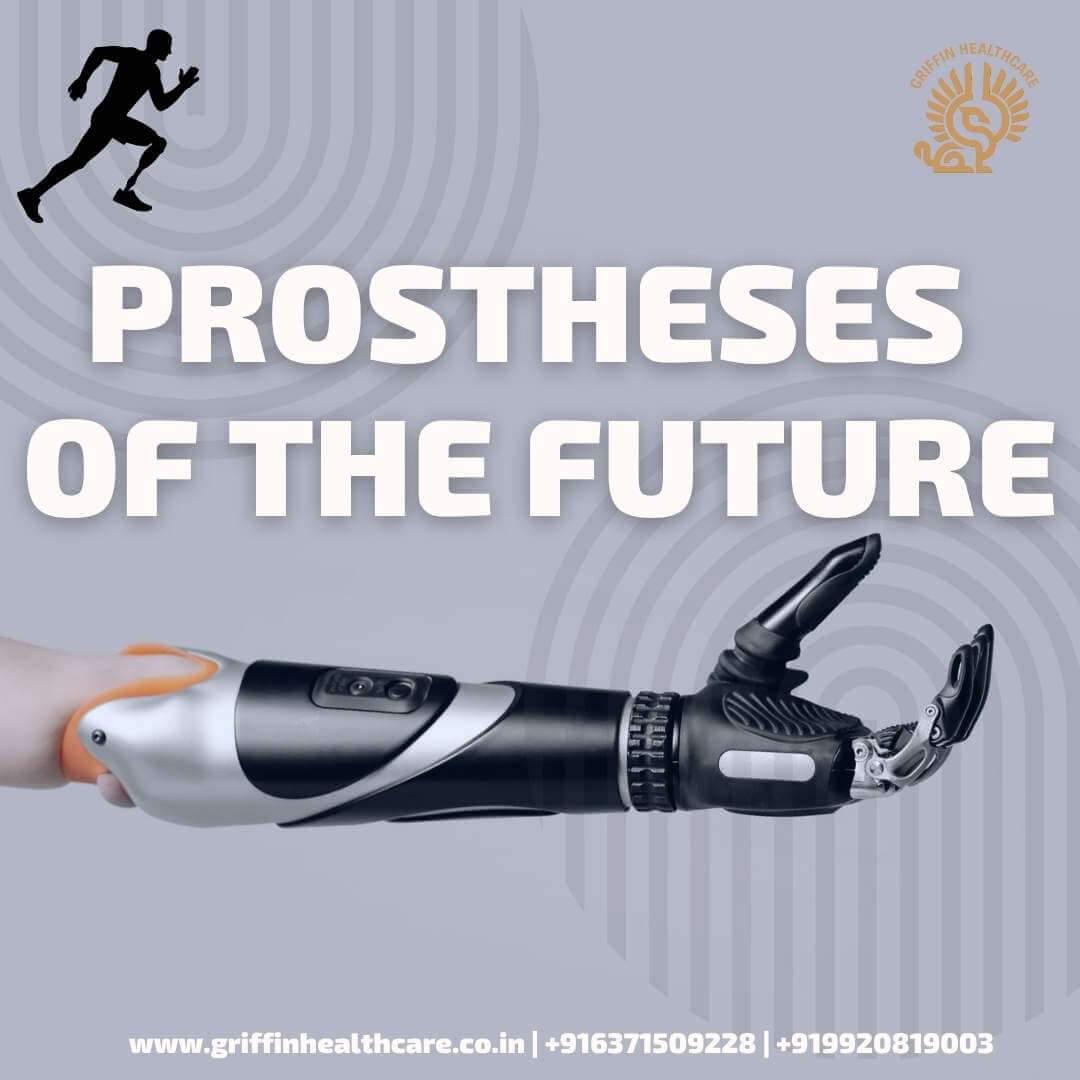
Not every prosthetic arm works the same way, so choosing the right type is important. In India, body-powered prosthetic arms are the most commonly used for strength-based activities. They are durable, rely on a simple cable-and-harness system, and provide strong grip control. These are especially useful for exercises like rowing, chest press machines, resistance band workouts and even light free weights. On the other hand, myoelectric prosthetic arms—which are becoming increasingly popular in metro cities like Mumbai, Pune, Bengaluru and Delhi—offer smoother, more natural movement but are generally not designed for heavy loading. They work beautifully for controlled, lighter exercises, cable machines and general functional fitness. For more serious gym users, activity-specific terminal devices, such as those by TRS, are now available in India and offer excellent grip for barbells, dumbbells, kettlebells and resistance bands. These attachments provide better strength, stability and safety compared to standard cosmetic hands.
What Kind of Exercises Are Possible?
Most amputees in India can comfortably perform a wide range of exercises. Upper body machines like chest press, lat pulldown, seated row and shoulder press offer great stability and are excellent for beginners. Light dumbbells, resistance bands and functional movements like curls, lateral raises and tricep extensions can also be safely performed with practice. Lower body training—including squats, lunges, leg press and hamstring curls—is easily manageable and highly beneficial, especially for overall balance and coordination. As confidence improves, many users progress to more advanced exercises such as deadlifts, bench press or rowing movements using specialized grips.
The Importance of Socket Fit in Indian Climate
India’s hot and humid climate plays a big role in prosthetic comfort. Sweat accumulation inside the socket is very common, especially during gym workouts. Excess sweat can reduce friction inside the socket and cause discomfort or slippage. This is why it's crucial to ensure your socket fits perfectly and your suspension system is reliable. Using antiperspirant sprays recommended by your prosthetist, breathable liners and taking short breaks during workouts can help manage heat and moisture. A well-fitting socket is the biggest predictor of gym success—more important than the brand or type of prosthetic arm.
Starting Gradually: The Indian Physiotherapy Approach
Most physiotherapists and prosthetists in India recommend starting very slowly. Begin with warm-up movements to activate your shoulders and upper back—such as arm circles, gentle band pulls and scapular activation exercises. As your shoulders take on more work than before, activating these muscles is essential to prevent strain. Once you feel comfortable, start with very light weights and controlled movements. Follow the “slow progression rule”: increase weights gradually and only after your limb and prosthesis feel stable. One advantage in India is the wide availability of physiotherapy clinics that work specifically with amputees, especially in cities like Pune, Coimbatore, Hyderabad and Ahmedabad. Consulting a skilled physio makes the gym transition much easier.
Staying Safe While Lifting
Safety should always be your first priority. Before beginning any gym routine, check the weight capacity of your prosthetic arm or terminal device, as every component has its own limit. Ask your prosthetist directly how much weight your model can safely handle. Pay close attention to any signs of discomfort, redness, pressure points or pinching inside the socket. These are early signals that something needs adjustment. Additionally, if you use a myoelectric arm, avoid exercises that involve excessive sweat around electronic components. Staying hydrated and taking short breaks helps prevent overheating and fatigue—both for you and your device.
A Realistic Beginner Routine for Indian Amputees
A simple weekly routine works well for most beginners. Many start with two or three days of upper and lower body machines, combined with light dumbbells and resistance bands. Machines are particularly helpful in the early stages because they offer good stability and reduce the risk of imbalance. Over weeks, as your confidence grows, you can explore more functional exercises and gradually increase intensity. In India, gyms are becoming more inclusive and trainers are increasingly aware of prosthetic-friendly adaptations. Don’t hesitate to inform your trainer about your device; most will be happy to guide you safely.
When to Avoid Weight Training
Even though weightlifting is safe for most people, there are situations where you should pause your routine. If you’re experiencing skin irritation, swelling, a poor socket fit, or have recently undergone surgery, it’s best to take a break and consult your prosthetist. Heavy workouts on days when your limb feels sensitive or irritated can worsen the issue. Listening to your body is key.
The Bigger Picture: Fitness With a Prosthetic Arm
Lifting weights with a prosthetic arm can be empowering for Indian amputees. It improves posture, reduces strain on the sound limb, builds core strength and enhances overall confidence. For many, the gym becomes a reminder of capability rather than limitation. With the right prosthesis, proper guidance and a patient approach, weight training becomes a safe and enjoyable part of daily life.




.png)

Explore patient stories, rehab solutions, & mobility updates @griffin_healthcare
Follow @griffin_healthcare