Understanding Back Pain and the Role of Orthosis
Back pain is one of the most common health problems today — affecting people of all ages, from office workers to homemakers. Long sitting hours, poor posture, injuries, and muscle strain can all lead to persistent discomfort.
While medications and physiotherapy help, many people find real relief through orthosis for back pain, commonly known as back braces. These braces not only support your spine but also promote healing by correcting posture and reducing pressure on painful areas.
But the question is — can a brace really help you heal? Let’s find out.
What Is an Orthosis (Back Brace)?
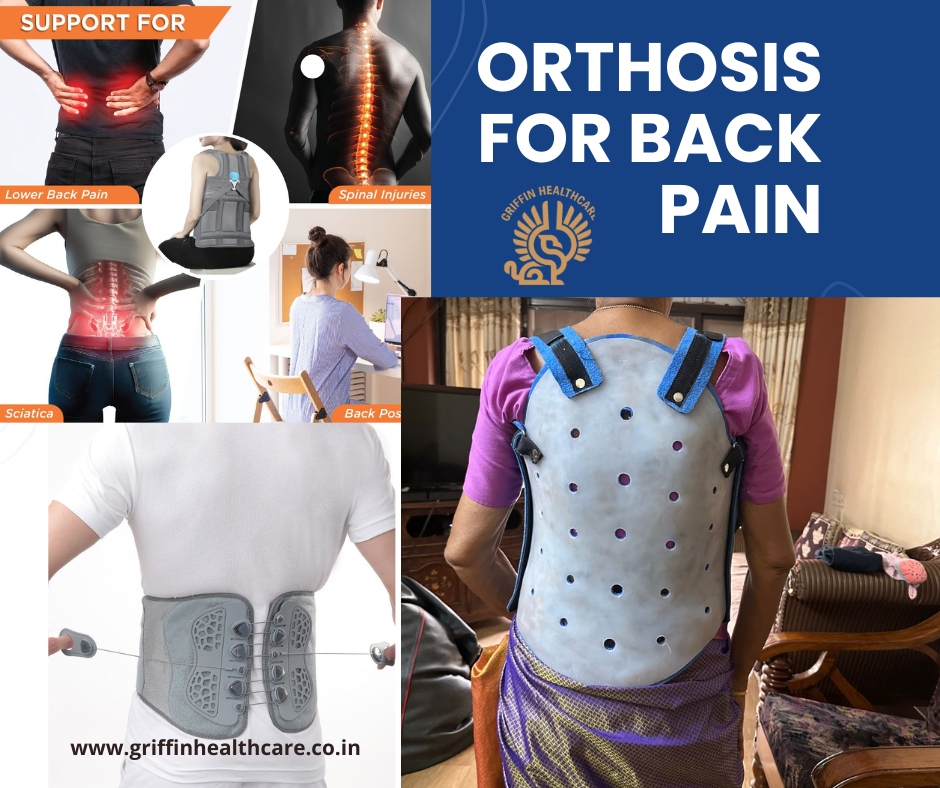
An orthosis is a specially designed external support that helps align, support, or correct body parts. When used for the back, it’s called a spinal orthosis or back brace.
A back brace supports your spine and muscles, giving stability and limiting harmful movements that could worsen the pain. It acts as a protective layer, letting your spine rest and recover naturally.
How Does a Back Brace Help in Healing?
A well-fitted brace does more than just hold your back upright — it promotes long-term healing.
Reduces Pressure on the Spine
By keeping your spine in the correct position, a brace reduces strain on muscles and discs, relieving pressure on nerves.
Improves Posture
Slouching and hunching are major causes of chronic back pain. Orthoses gently align your back, training your body to maintain a healthy posture even without the brace.
Supports Muscles During Recovery
After injury or surgery, muscles may become weak. A brace gives them the support they need until strength is regained through physiotherapy.
. Prevents Further Injury
For people with disc problems, fractures, or post-surgical recovery, a back brace limits sudden or risky movements that can cause re-injury.
Boosts Confidence in Daily Activities
Many users report that wearing a brace allows them to move more freely, sit longer, and return to work faster — all while feeling protected.
Types of Back Braces (Orthoses)
Different types of orthoses are prescribed based on the cause and severity of pain:
Type, Use and Description
Lumbar Support Belt Mild to moderate lower back pain,Lightweight, elastic belt for everyday use
Rigid Spinal Orthosis Post-surgery or severe injury,Hard-shell brace that stabilizes the spine
Lumbosacral Orthosis (LSO) Chronic lumbar pain, slipped disc,Supports both lower spine and sacral area
Corset Brace Postural correction,Fabric-based brace that improves body alignment
Your doctor or orthotist will decide which type best suits your needs.
Who Should Use a Back Orthosis?
A back brace can benefit people with:
Chronic or acute lower back pain
Lumbar spondylosis or slipped disc
Post-surgery spinal recovery
Muscle strain from lifting or bad posture
Scoliosis (abnormal spine curvatures
Long working hours in sitting positions
However, always use a brace under medical guidance to avoid over-dependence or incorrect fit.
Tips for Using Your Back Brace Safely
1. Consult a professional orthotist for correct size and fit.
2. Wear the brace only as prescribed — usually for a few hours daily.
3. Avoid sleeping with the brace unless your doctor recommends.
4. Combine with exercise and physiotherapy for best results.
5. Clean and inspect regularly to maintain hygiene and comfort.
Can a Back Brace Replace Exercise or Therapy?
No — an orthosis is a supportive aid, not a permanent fix. It works best when combined with core strengthening, stretching, and posture correction exercises. Think of it as a helping hand in your healing journey — not the whole solution.
Griffin Healthcare’s Role in Spinal Care
At Griffin Healthcare, we design and provide custom orthoses and spinal braces tailored to your body’s unique needs. Our specialists ensure a perfect fit that maximizes comfort, posture support, and long-term relief.
Whether you’re recovering from surgery or dealing with chronic back pain, our goal is to help you move freely, confidently, and without pain.
Conclusion
Yes - a back orthosis can truly help you heal, when used correctly. It supports your spine, improves posture, and speeds up recovery. But remember, the real magic happens when you combine it with regular physiotherapy, proper ergonomics, and a healthy lifestyle.
If back pain is slowing you down, consult an orthotist or visit Griffin Healthcare for a personalized spinal brace solution. Because healing your back starts with the right support.




.png)

Explore patient stories, rehab solutions, & mobility updates @griffin_healthcare
Follow @griffin_healthcare