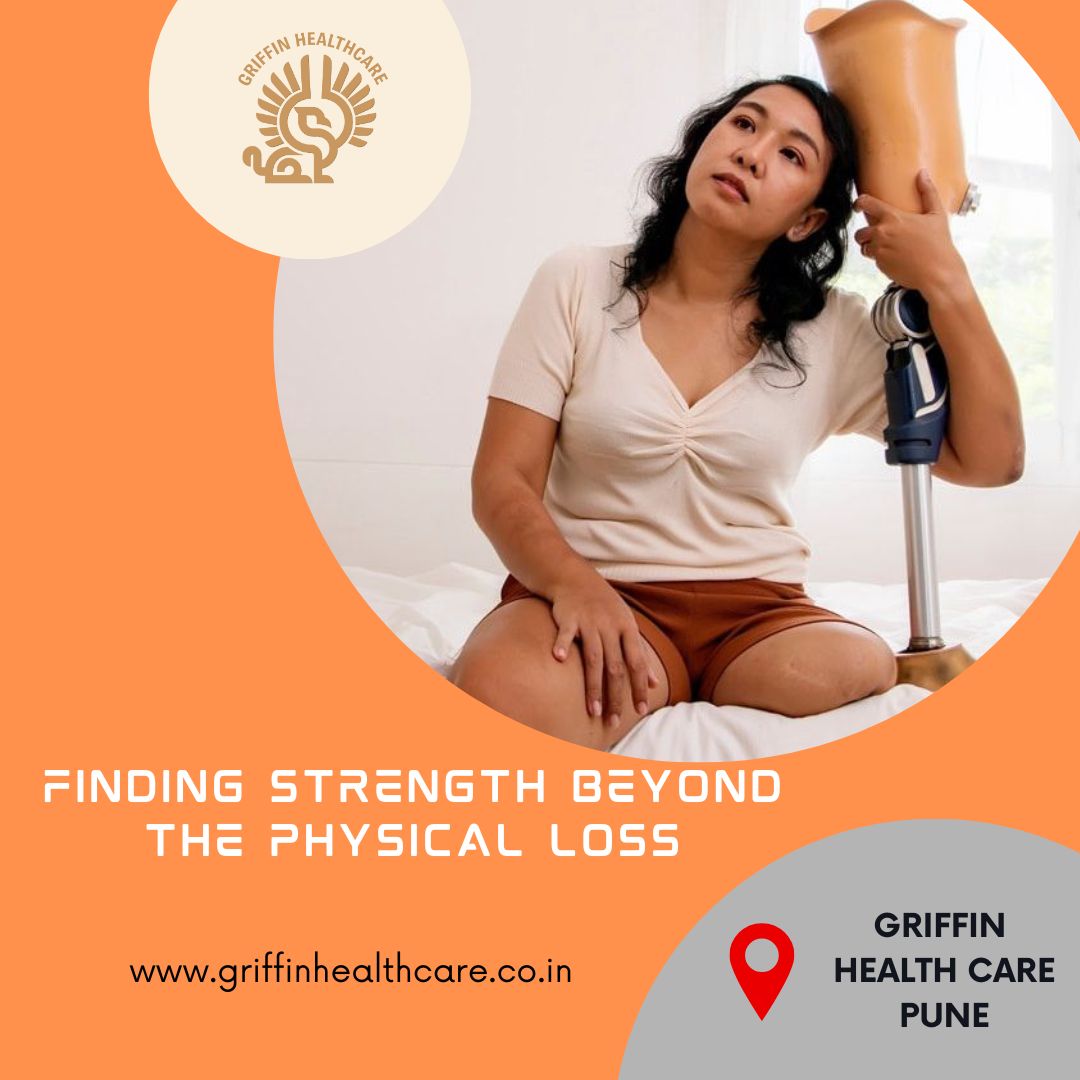
Finding Strength Beyond the Physical Loss
Losing a limb is one of the most life-altering experiences a person can face. It’s not only a physical challenge but also a deeply emotional and psychological journey. While modern prosthetics can restore mobility and independence, healing the mind and heart takes patience, guidance, and support.
This article explores the emotional phases many amputees go through, the psychological impact of limb loss, and proven ways to regain confidence and rebuild a fulfilling life.
Understanding the Emotional Impact of Amputation
Amputation often comes after trauma, illness, or complications such as diabetes or accidents. Regardless of the cause, the emotional response can be overwhelming. People commonly experience a mix of the following feelings:
Recognizing these emotions as normal and temporary is the first step toward recovery.
Psychological Challenges: More Than What Meets the Eye
Beyond visible wounds, amputees often face hidden emotional scars:
1.Body Image Distress
The sudden change in appearance can deeply affect self-esteem. Many amputees report feeling “incomplete” or avoiding mirrors. These feelings are real but can improve significantly with counseling and peer support.
2. Phantom Limb Sensation
Feeling pain or movement in the missing limb can be confusing and distressing. Understanding that phantom sensations are a normal neurological response often helps reduce fear and anxiety.
3. Depression and PTSD
When limb loss results from accidents or war injuries, post-traumatic stress disorder (PTSD) is common. Intrusive memories, nightmares, and emotional numbness can follow. Seeking timely professional help is vital.
4. Loss of Independence
Simple tasks — dressing, walking, bathing — may initially require assistance. The frustration of dependency can trigger feelings of helplessness, making emotional resilience even more crucial.
The Road to Emotional Recovery
Healing from amputation is not about “getting over it” — it’s about growing through it. With the right support, many amputees rebuild confidence, return to work, and lead inspiring lives.
1. Acknowledge and Express Your Feelings
Suppressing emotions can delay recovery. Journaling, art therapy, or open conversations with loved ones can help release bottled-up feelings.
2. Seek Psychological Counseling
Mental health support is just as important as physical therapy. Trained psychologists and rehabilitation counselors help amputees manage grief, anxiety, and body-image concerns.
Tip: Ask your prosthetic or rehabilitation center if they offer integrated mental-health sessions.
3. Join Support Groups
Talking to others who have faced similar experiences brings immense comfort. Hearing how someone else overcame challenges provides both guidance and hope.
Online forums and local rehabilitation centers often have active support groups.
4. Rehabilitation & Prosthetic Training
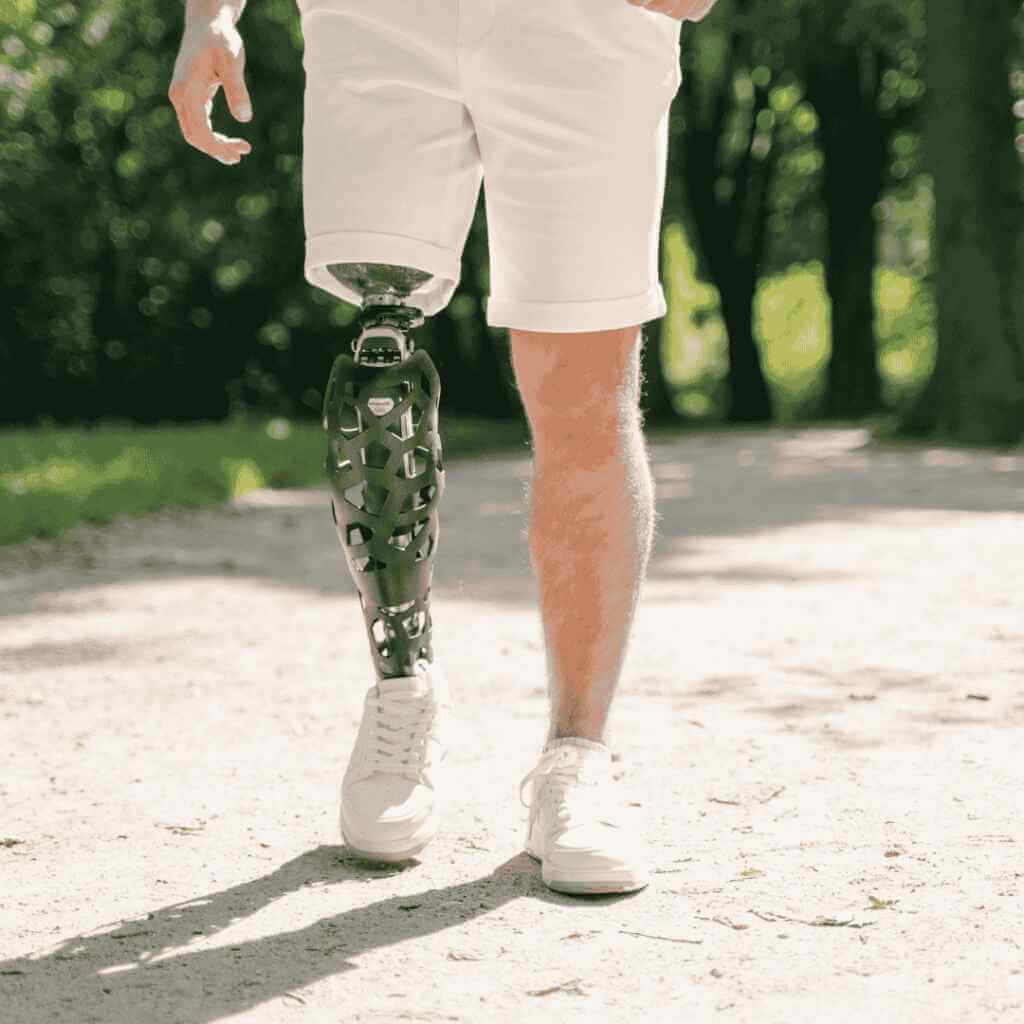
Learning to walk or move with a prosthesis restores a sense of control. As mobility improves, so does confidence. Celebrate small milestones — every step truly matters.
5. Stay Connected
Isolation can worsen sadness. Stay in touch with friends and family, even if virtually. Accept their help; it’s not a sign of weakness but of courage to rebuild.
6. Practice Mindfulness and Relaxation
Breathing exercises, meditation, and yoga (as guided by professionals) help calm anxiety and reduce phantom pain intensity.
7. Set Realistic Goals
Whether it’s walking without support, returning to work, or enjoying hobbies — setting achievable goals provides motivation and structure to recovery.
Family and Caregiver Role
Family members often struggle too. They may feel helpless or unsure how to assist. Open communication helps both sides.
Encourage family members to:
A united support system builds emotional strength for both the amputee and their loved ones.
Real-Life Inspiration
Many amputees go on to achieve extraordinary things — from athletes like Arunima Sinha, the first female amputee to climb Mount Everest, to everyday heroes who return to their professions with renewed purpose.
Their journeys remind us that amputation doesn’t end life’s story — it simply starts a new chapter.
Final Thoughts
Coping with the emotional and psychological challenges after amputation takes time, courage, and compassion. It’s okay to grieve, to struggle, and to seek help. Healing is not linear, but every effort counts.
With the right prosthetic support, rehabilitation, and emotional care, life after amputation can be not just about survival — but rediscovery, growth, and strength.
✅ If you or someone you know is recovering from an amputation, reach out to a certified prosthetist-orthotist or rehabilitation center.
Professional guidance, combined with emotional support, can make all the difference in this journey toward independence and confidence.
At Griffin Healthcare, we combine cutting-edge technology with compassionate care to deliver solutions that truly change lives. For us, every step taken by our patients is a step toward a brighter, more confident future.




.png)

Explore patient stories, rehab solutions, & mobility updates @griffin_healthcare
Follow @griffin_healthcare