Blog - Great Toe Fillers Explained: Benefits, Uses, and Why They Matter
When it comes to foot health, most people focus on arch support, heel pain, or general comfort. But one of the most overlooked areas is the great toe (big toe)—and that’s where great toe filler plays a vital role. Whether you’re dealing with toe deformities, post-surgical recovery, or simply looking to improve balance, toe fillers can make a big difference in mobility and overall foot function.
What Is a Great Toe Filler?
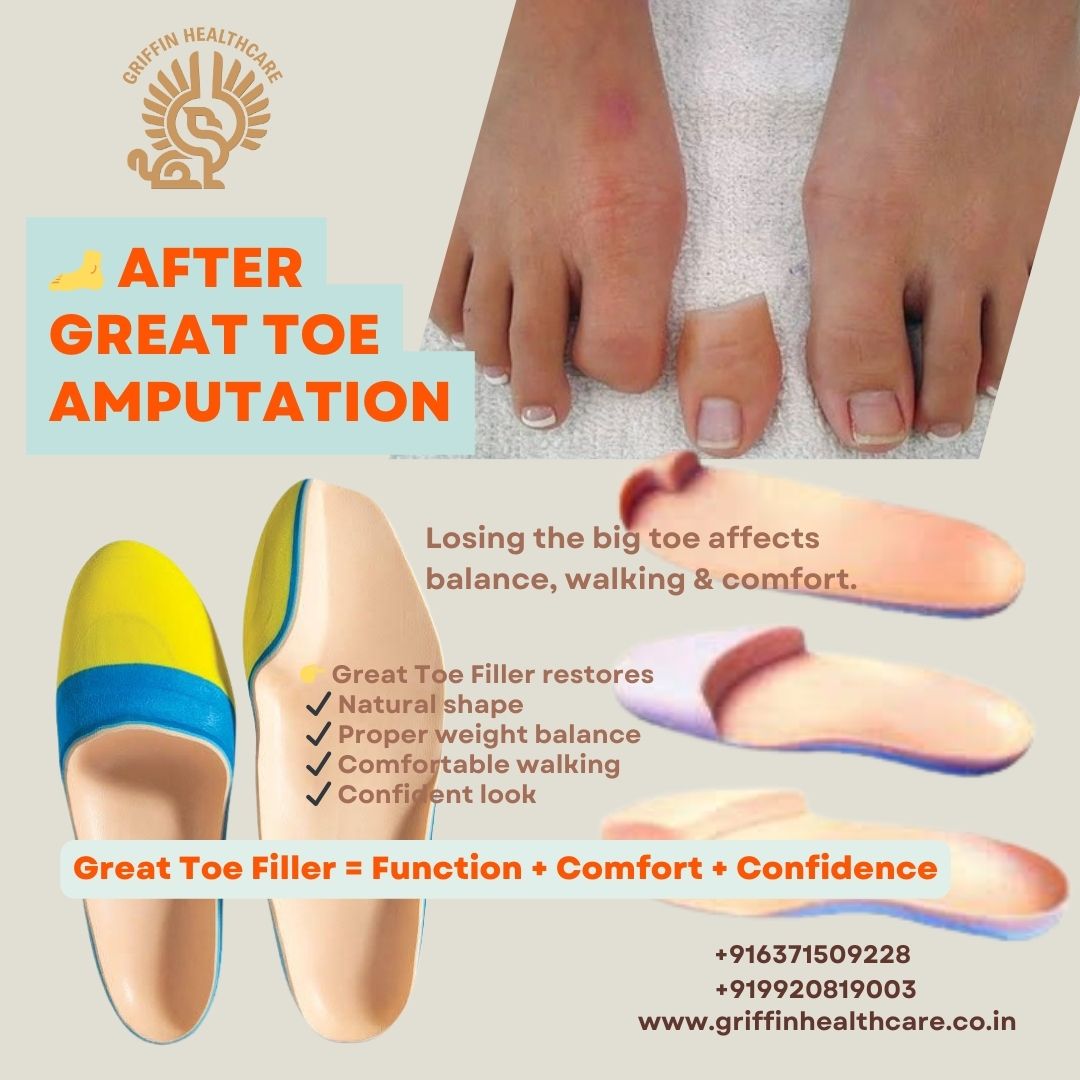
A great toe filler is a medical-grade insert or device designed to fill the space left after a partial or complete removal of the great toe. It is often used in specialized footwear or custom orthotics to restore natural foot shape and prevent secondary issues.
Toe fillers are usually made from lightweight yet durable materials such as foam, silicone, or custom-molded plastics to ensure both comfort and function.
Why Is the Great Toe So Important?
The great toe is the anchor of your foot biomechanics. It plays a key role in:
When the great toe is missing or weakened due to surgery, trauma, or deformity, it can lead to imbalance, gait problems, and strain on other joints.
Benefits of Using a Great Toe Filler
Here’s why great toe fillers are important in maintaining healthy foot mechanics:
A great toe filler is not just a supportive insert—it is a crucial tool for restoring mobility and preventing long-term complications in various conditions. Below are some of the groups who benefit the most from using a great toe filler:
Individuals who have undergone a partial or complete amputation of the great toe often face challenges with walking, balance, and shoe fit. A great toe filler helps restore the natural shape of the foot, fills the empty space inside footwear, and reduces uneven pressure on the remaining toes. This prevents painful corns, calluses, and joint strain, while also improving overall gait.
Some people are born with structural foot deformities or develop them over time due to conditions like bunions, hammer toes, or flat feet. In such cases, a great toe filler helps align the toes properly, provides cushioning, and reduces pressure on the forefoot. This allows better weight distribution across the foot, improving stability and comfort.
Diabetes is one of the leading causes of toe amputations, often due to poor circulation or non-healing ulcers. For these patients, great toe fillers are extremely important. They protect sensitive areas from friction, lower the risk of additional wounds, and support safe mobility. This simple addition can make a significant difference in maintaining independence and preventing further complications.
Athletes who suffer from toe fractures, ligament injuries, or post-surgical weakness may experience reduced push-off strength and imbalance. A great toe filler provides support during recovery, helping maintain proper foot mechanics. It allows athletes to return to physical activity with greater confidence and lowers the risk of re-injury.
Even without surgery or visible deformity, some people struggle with chronic imbalance, gait irregularities, or pain caused by great toe dysfunction. Toe fillers can act as stabilizers, improving posture and stride efficiency. By mimicking the natural role of the great toe, they help restore smoother and safer walking patterns.
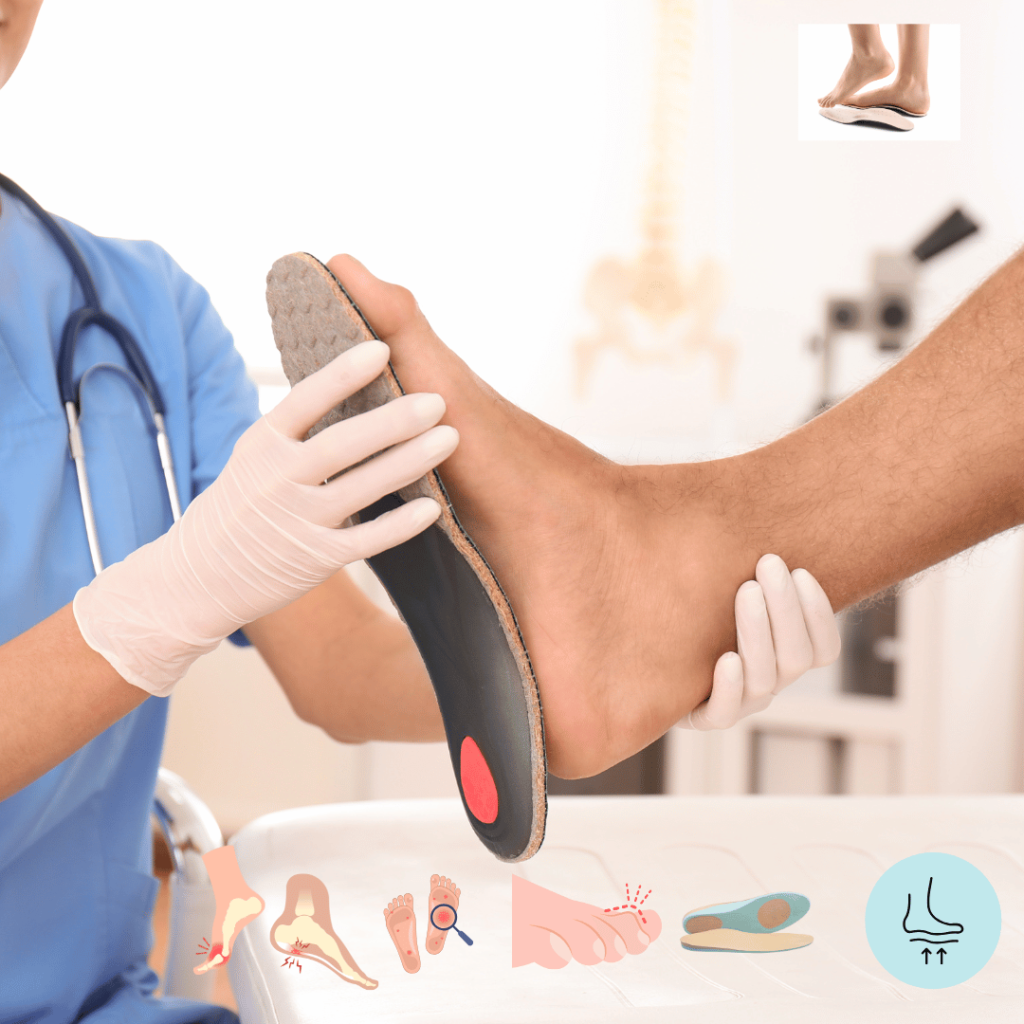
Selecting the right great toe filler is an important step in ensuring both comfort and long-term foot health. Since every individual’s foot anatomy and lifestyle needs are different, consulting a podiatrist or orthopedic specialist is highly recommended before making a decision. A healthcare professional can assess your gait, pressure points, and overall biomechanics to recommend the best solution for you.
In many cases, custom-made toe fillers offer the most effective results. Unlike standard inserts, these are molded to match your exact foot structure and activity level, ensuring better support, balance, and comfort.
When evaluating options for a great toe filler, here are some key features to consider:
Since toe fillers come in direct contact with your skin for extended periods, it’s important to choose fillers made of hypoallergenic, breathable, and medical-grade materials. This reduces the risk of irritation, sweating, or infection, especially for people with sensitive skin or diabetes.
The filler should feel natural and comfortable inside your shoe. A lightweight design prevents unnecessary strain while walking, while durability ensures that it withstands daily wear without losing shape or function. Silicone, EVA foam, and specialized polymers are commonly used for their balance of comfort and strength.
Your great toe filler should integrate seamlessly with your existing orthotics, prosthetics, or custom footwear. Proper compatibility ensures that it doesn’t shift inside the shoe or cause discomfort, while also supporting your natural walking pattern. Always test the filler with the shoes you wear most often to make sure it feels secure and supportive.
If you lead an active lifestyle or have specific medical needs, ask your specialist about fillers that can be customized for sports, daily wear, or medical-grade footwear. Personalized solutions provide the highest level of comfort, balance, and protection.






.png)

Explore patient stories, rehab solutions, & mobility updates @griffin_healthcare
Follow @griffin_healthcare